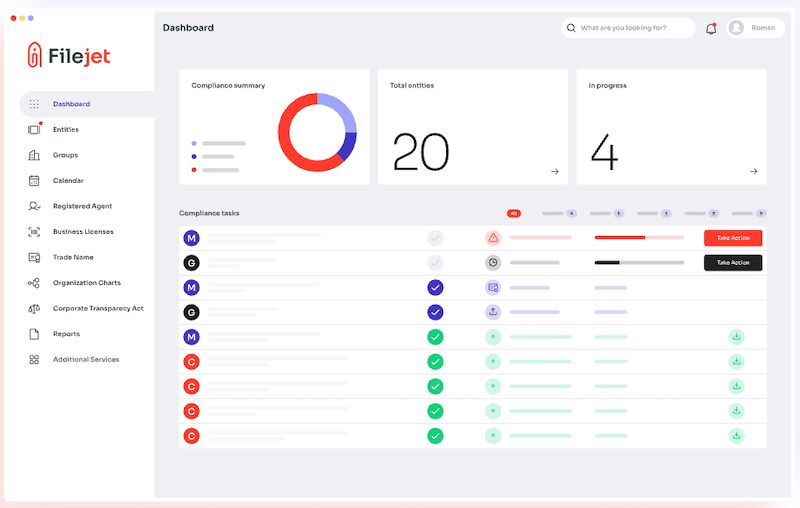
Corporate compliance becomes more complex as a business adds subsidiaries, enters new states, or changes its ownership structure. Legal staff must keep formation records, annual reports, board actions, and registrations up to date across multiple offices.
Early shortcuts often look manageable. Scale exposes the weak points quickly. That pressure explains why many corporations move from scattered tracking habits to a disciplined system built for deadlines, documents, and accountability.
Spreadsheets Crumble Under Pressure
Many legal groups still depend on spreadsheets, shared folders, and long email threads to monitor entity records. Those habits usually hold until a financing review, internal audit, or filing lapse reveals missing data.
At that point, teams often look for corporate entity management software because a central record helps with cleaner reporting, stronger governance, and more reliable deadline management across a growing entity portfolio.
Missed Deadlines Carry Real Costs
Late filings create more than minor administrative trouble. Penalties, suspended status, and avoidable legal fees can follow within weeks. Lenders may ask harder questions when the records look incomplete.
Deal timelines can slip for reasons unrelated to strategy. A structured tool reduces that exposure by clearly listing due dates, assigning responsibility, and showing pending work before a deadline becomes a problem.
Data Gaps Distort Decisions
Compliance depends on accurate entity data, yet many corporations discover flaws only when pressure rises. In one onboarding review, 44 percent of clients had unknown entities. The same review found 66 percent were already out of compliance.
Those figures point to a simple issue. Leaders cannot govern what they cannot see. Hidden gaps distort reporting, delay approvals, and weaken confidence in the underlying record.
One Source Improves Control
A single source for charters, tax registrations, ownership details, and board records changes daily work. Staff spend less time searching inboxes for old attachments or checking which folder holds the latest copy.
Version conflicts also drop when teams refer to one controlled record. That visibility helps legal, finance, and executives act on the same information, which matters when approvals, reporting, and filings move in lockstep.
Automation Reduces Human Error
Manual entry creates small mistakes that carry large consequences. An incorrect date, an outdated officer name, or a missing jurisdiction field can affect standing and delay follow-up work. Standardized workflows help prevent those slipups by reusing approved data and routing tasks consistently.
People still review judgment calls. Routine administration simply stops consuming the same amount of attention, which usually improves accuracy and timeliness at once.
Jurisdiction Growth Changes the Math
A company with a few entities can still rely on memory and informal checklists. That model fails once the structure spreads across many states, holding companies, or foreign registrations. Each new entity adds reports, renewals, agent details, and governance records.
Workload rises faster than headcount in many legal departments. At that stage, a system is less about convenience and more about maintaining basic operational control.
Better Audit Readiness Matters
Auditors, lenders, and buyers often request records on short notice. Slow retrieval can signal weak internal discipline, even when documents do exist. A well-run entity system keeps core materials easier to locate, review, and share with the right people.
That readiness reduces last-minute scrambles during diligence, annual control testing, or financing events. It also helps teams answer questions with confidence instead of guesswork.
Cross-Team Access Supports Governance
Entity compliance no longer sits solely with legal. Finance needs ownership records. Tax groups need registration details. Executives may need status updates before approving a transaction or restructuring.
Controlled access makes that coordination easier without exposing every document to every employee. The result is a cleaner governance process. Fewer requests bounce across departments, and fewer decisions rest on partial or outdated information.
Compliance Supports Strategic Moves
Entity records shape far more than annual reports. Expansion plans, bank reviews, restructurings, and board actions all depend on current information. When records are incomplete, those moves slow down because teams must verify basic facts before they can act. Reliable data changes that equation.
Legal information becomes a usable operating infrastructure rather than a recurring bottleneck, which gives leadership a clearer footing during periods of growth or change.
Conclusion
Corporations adopt entity management tools because compliance has become too important to rely on manual systems. Centralized records, workflow consistency, and faster document access reduce avoidable risk while supporting everyday execution.
As structures grow across jurisdictions, the administrative burden rises quickly and rarely reverses. Strong software helps keep filings current, governance records accessible, and responsibilities visible. That discipline supports steadier reporting, cleaner oversight, and better decisions over time.
