Healthcare emergencies rarely wait for a convenient shift, full staffing, or perfect conditions. Hospitals, clinics, and outpatient sites manage violent incidents, medical codes, evacuations, severe weather, utility failures, and documentation demands.
Paper binders and phone trees can help during planning, yet they often slow real response. Software warrants a serious review when communication gaps, unclear roles, or missing records begin to affect safety decisions.
Signals Are Scattered
During a tense event, nursing teams, security, administrators, and outside responders need reliable facts at the same moment. If updates move through radios, texts, overhead pages, and handwritten logs, delay builds quickly.
Emergency management software for healthcare can consolidate alerts, location details, role assignments, patient movement, and incident records into a single shared operating view.
Drills Feel Unclear
A beneficial drill should test readiness, not expose confusion about basic steps. Staff should know who leads, where to report, and how completion gets confirmed.
If those answers change by unit or shift, the process needs firmer structure. Software can assign duties, send instructions, capture acknowledgments, and preserve drill results for cross-departmental review.
Response Times Vary
Emergency plans weaken when the response depends on personal memory or on whoever hears an alert first. A code, duress call, fire alarm, or security threat needs predictable routing. Leaders should reassess current tools when notifications reach staff unevenly.
Strong systems direct messages by role, location, urgency, and channel, which protects the first critical minutes.
Sites Keep Expanding
Healthcare organizations often add specialty clinics, imaging centers, laboratories, offices, and remote care locations. Each site may carry separate devices, local habits, and vendor systems.
That patchwork creates blind spots for safety leaders. Software becomes useful when a single operational view is necessary across buildings, while local teams still receive instructions tailored to their setting.
Multi-Site Coordination
A shared dashboard helps clinical leaders and security teams compare incidents, alert coverage, device status, and response activity across facilities.
Compliance Takes Longer
Regulatory work should never depend on memory, inbox searches, or hurried spreadsheet updates. Safety leaders may need incident history, drill evidence, escalation records, and training documentation.
If reports require manual collection from several places, software can reduce wasted effort. Stronger records also help teams identify recurring risks before audits, inspections, or internal reviews.
Staff Need Quiet Help
Healthcare workers may face aggression, threats, or unsafe encounters while caring for patients. In those moments, a loud call for help can increase danger.
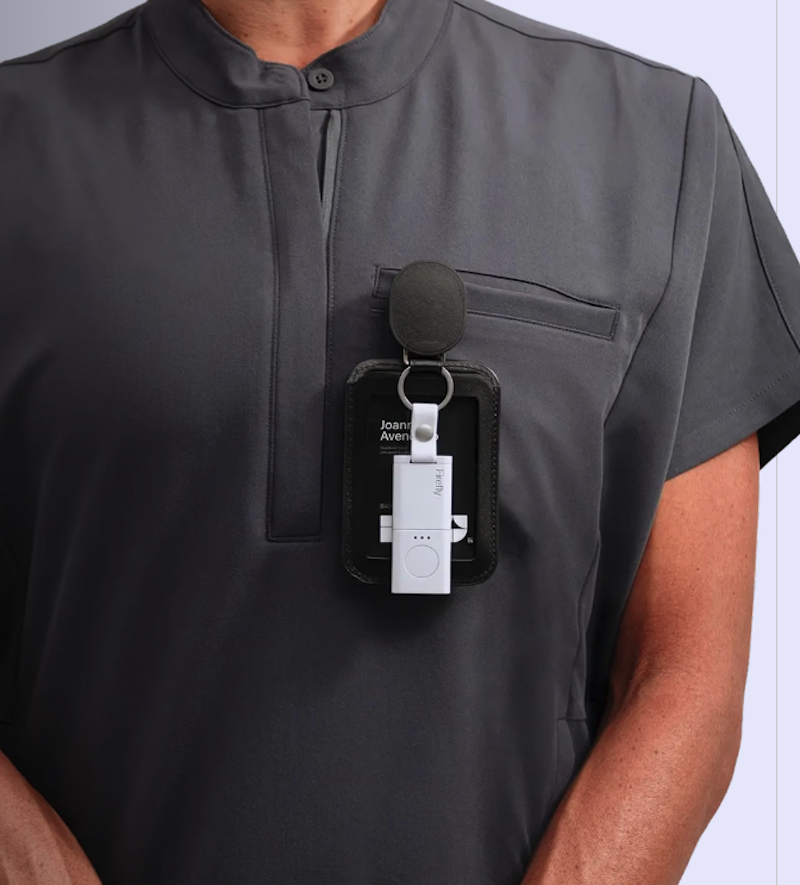
Discreet alerts, panic buttons, and location-aware notifications give staff a safer way to request support. Software matters when those alerts must reach security, supervisors, and responders with usable context.
Devices Need Monitoring
Emergency equipment cannot be treated as reliable simply because it exists. Batteries drain, sensors disconnect, buttons move, and devices can fall out of service. A hospital should not discover those failures during an active incident.
Device health monitoring shows status across critical assets, helping teams plan maintenance, replacements, and daily readiness checks.
Communication Channels Conflict
Staff may receive alerts through text, phone, speakers, email, internal chat, or nurse call systems. Without coordination, messages can conflict, repeat, or arrive too late.
A unified approach helps leaders send clear instructions to the correct group. Better routing also reduces alert fatigue, since not every employee should receive every message.
Leaders Lack After-Action Data
After an incident, teams need more than recollections from a stressful shift. They need alert times, responder activity, affected locations, actions taken, and follow-up decisions. Software can preserve that record as events unfold.
Better review data supports coaching, policy updates, staffing choices, equipment planning, and drills grounded in actual risk.
Reporting Value
Practical reports link response activity to training needs, equipment gaps, recurring hazards, and decisions made after each event.
Budget Risk is Rising
Manual processes can appear inexpensive until one serious incident exposes delayed messages, missed steps, or weak documentation. Leaders should weigh software cost against overtime, claims, compliance labor, turnover, and reputational damage.
The case becomes stronger when several departments already maintain separate contact lists, safety logs, reports, and escalation charts.
Conclusion
Healthcare teams should consider emergency software when communication feels fragmented, drills create uncertainty, locations multiply, or records take too long to assemble. The purpose is practical, not decorative technology.
Better coordination helps staff act sooner, leaders confirm accountability, and reviewers see what happened after each event. When manual processes slow decision-making, a centralized safety platform becomes an operational necessity.
