Automation is transforming industries around the world, and the construction sector is no exception. While automation is often associated with manufacturing and large-scale industrial projects, it is increasingly influencing residential construction and even outdoor living projects.
From digital design software to automated cutting tools and project management platforms, technology is improving efficiency, accuracy, and overall project quality in modern construction.
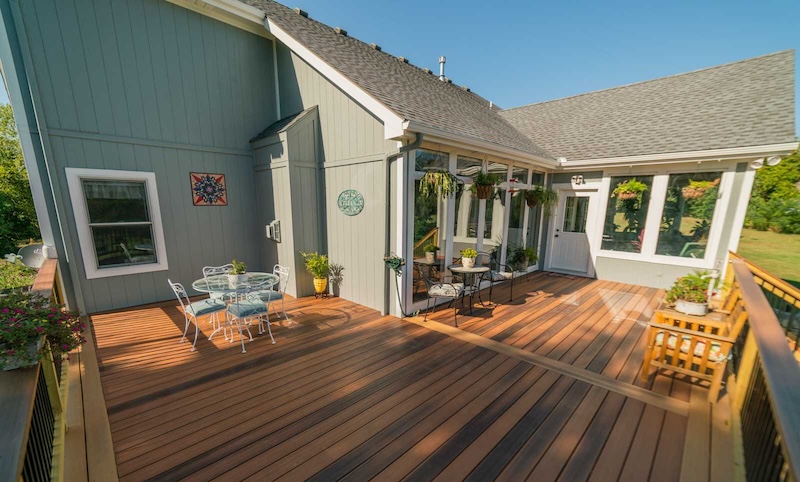
Even traditional outdoor construction projects are benefiting from these technological advancements. Projects such as decks, patios, and outdoor living spaces are now often designed using digital modeling tools and built with precision equipment.
Many homeowners working with a Columbus deck builder today benefit from these modern tools, which help ensure more accurate measurements, faster project timelines, and higher-quality construction results.
Digital Design and Planning Tools
One of the biggest ways automation has influenced residential construction is through digital design and planning software. Before construction begins, many projects are now designed using advanced software that creates detailed 2D and 3D models of structures.
These tools allow contractors and homeowners to visualize projects before construction starts. Designers can adjust dimensions, materials, and layouts digitally, which helps prevent mistakes and reduces costly changes during construction.
Digital design tools also allow construction professionals to calculate materials more accurately, reducing waste and improving project efficiency. This not only saves time but also reduces overall project costs and environmental impact.
Automated Cutting and Fabrication
Automation has also improved the way construction materials are prepared. Computer-controlled cutting machines, often used in woodworking and metal fabrication, allow materials to be cut with extremely high precision. This technology is commonly known as CNC (Computer Numerical Control) machining.
CNC machines can cut wood, metal, and composite materials according to digital design specifications. This ensures that components fit together perfectly when assembled on-site. For projects such as decks, pergolas, and outdoor structures, precision cutting improves structural quality and reduces installation time.
Automated fabrication provides several advantages:
- More precise material cutting and measurement
- Reduced material waste
- Faster preparation of construction components
- Improved structural accuracy and fit
- Shorter overall construction timelines
These advantages allow construction companies to complete projects more efficiently while maintaining high-quality results.
Robotics in Construction
While robotics in residential construction is still developing, robots are already being used in certain parts of the construction process. Some robots can lay bricks, pour concrete, or perform demolition tasks. Drones are also commonly used to inspect construction sites, measure land, and monitor project progress.
Drones allow contractors to capture aerial images of construction sites, monitor project development, and identify potential issues early. This technology improves project planning and site safety while reducing the need for manual inspections in difficult-to-reach areas.
Robotic technology is expected to become more common in residential construction over the next decade as equipment becomes more affordable and more advanced.
Project Management Automation
Automation is also improving how construction projects are managed. Digital project management platforms allow contractors to schedule tasks, track progress, manage budgets, and communicate with clients through centralized systems.
These platforms help coordinate workers, suppliers, and project timelines more efficiently. Automated scheduling tools can send reminders, update timelines, and notify project managers if delays occur.
For homeowners, these systems provide better communication and transparency. Clients can receive updates, photos, and progress reports throughout the project, which improves trust and reduces uncertainty.
Smart Outdoor Living Spaces
Automation is not only influencing how outdoor spaces are built but also how they function. Smart technology is expanding beyond indoor spaces and into outdoor living areas.
Modern outdoor spaces may include automated lighting, smart irrigation systems, outdoor speakers, and automated pergolas that adjust for sunlight or rain. These features allow homeowners to control outdoor environments through mobile apps or smart home systems.
Smart outdoor features often include:
- Automated outdoor lighting systems
- Smart irrigation systems that adjust watering schedules
- Outdoor entertainment systems with wireless control
- Automated pergolas or shade systems
- Outdoor security cameras and motion sensors
These technologies are turning outdoor living spaces into smart environments that are more convenient and energy-efficient.
Prefabrication and Modular Construction
Another important technological trend in construction is prefabrication. Prefabrication involves building certain parts of a structure in a factory or workshop and then assembling them on-site. This process often uses automated machinery and controlled environments to produce construction components more efficiently.
Prefabrication reduces construction time because components are prepared in advance and delivered ready for installation. It also improves quality control because materials are produced in controlled environments rather than exposed to weather conditions during construction.
For outdoor construction projects, prefabricated components such as deck panels, railings, and structural supports can speed up installation and improve overall project efficiency.
Safety Improvements Through Technology
Automation and technology are also improving safety in the construction industry. Digital measurement tools, drones, and automated equipment reduce the need for workers to perform dangerous tasks manually.
For example, drones can inspect roofs or tall structures, reducing the need for workers to climb ladders. Automated cutting machines reduce the risk of manual cutting accidents. Digital project planning also helps identify potential safety risks before construction begins.
Improved safety technology benefits both construction workers and homeowners by reducing accidents and ensuring projects are completed more safely.
The Future of Automated Construction
The construction industry is expected to continue adopting automation and robotics technologies in the coming years. Technologies such as artificial intelligence, 3D printing, and autonomous construction equipment are already being tested in various parts of the world.
3D printing technology may eventually allow entire building components to be printed on-site, reducing construction time and material waste. Autonomous construction vehicles may also assist with excavation and site preparation.
As these technologies become more accessible, residential construction and outdoor living projects will likely become faster, more efficient, and more precise.
Technology is Reshaping Residential Construction
Automation is changing nearly every aspect of residential construction, from design and planning to fabrication, project management, and smart home integration. Even outdoor living spaces such as decks and patios are being influenced by digital tools and automated construction processes.
These advancements are helping construction companies complete projects more efficiently while improving quality and reducing costs. For homeowners, automation means better project planning, faster construction timelines, and more advanced living spaces.
As automation and robotics continue to develop, residential construction and outdoor living projects will continue to evolve. The homes and outdoor spaces of the future will be built faster, designed more accurately, and integrated with technology in ways that make everyday living more comfortable and efficient.
