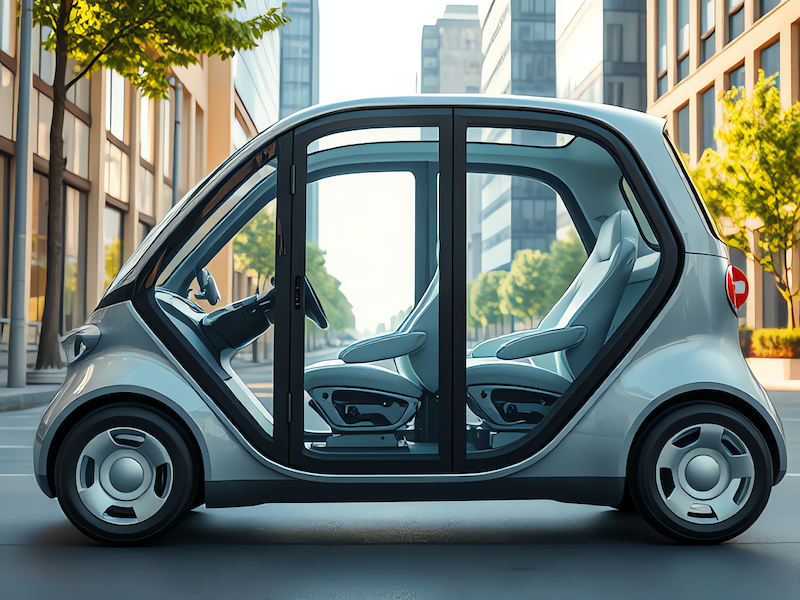
Autonomous technology is rapidly transforming the world around us. Self-driving cars navigate bustling streets, drones deliver packages with remarkable accuracy, and robotic systems perform tasks humans once thought impossible.
While AI and software often take center stage, there’s another critical element quietly making these innovations possible: precision components.
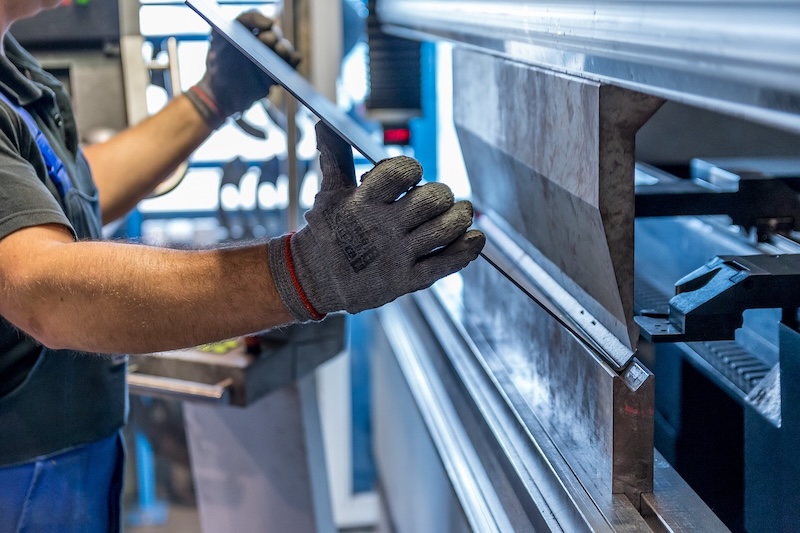
These components may seem small or ordinary, but they are the backbone of every autonomous system. Engineers rely on CNC machining services to produce these parts with exacting tolerances.
Without the meticulous precision and repeatability offered by modern manufacturing, autonomous vehicles and machines couldn’t operate reliably or safely.
The Hidden Backbone of Autonomous Technology
Autonomous machines depend on a seamless partnership between hardware and software. While AI directs decisions and reactions, precision components ensure that every motion is accurate, smooth, and reliable. These parts form the hidden backbone that keeps autonomous technology functional.
What Are Precision Components?
Precision components are carefully engineered parts designed to exact specifications.
- Gears and bearings: These control motion in motors, wheels, and robotic joints. A small misalignment can quickly cause performance issues or even system failure.
- Sensors and actuators: These parts detect environmental information and convert signals into physical movement, enabling machines to respond quickly and accurately.
- Custom metal or composite parts: Structural elements, brackets, and frames maintain stability and protect sensitive electronics.
Even minor deviations in these components can compromise safety and efficiency. For example, a self-driving car’s steering system relies on perfectly aligned gears and linkages to respond instantly to software commands.
Why Precision Components Are Essential
The precision of these parts directly impacts the reliability of autonomous systems. Components with tight tolerances reduce friction, vibration, and energy loss, allowing machines to function smoothly.
Without precision engineering, even the most sophisticated AI would be forced to compensate for mechanical inconsistencies, limiting overall performance.
Why Precision Matters More Than Ever
In autonomous systems, software alone cannot guarantee safety or efficiency. Precision components are crucial for protecting people, enhancing performance, and supporting technological innovation.
Safety First
Autonomous machines operate in complex environments where safety is paramount.
- Minimizing risks: Slightly misaligned or defective parts can cause critical failures, especially in vehicles that operate without human intervention.
- Predictable operation: Reliable components ensure systems respond consistently in emergencies, maintaining safe control.
- Fail-safe performance: Accurate parts allow machinery to handle unexpected situations without malfunctioning, reducing accidents.
Safety in autonomous technology begins with dependable, high-quality hardware.
Enhancing Performance and Efficiency
Precision components also directly improve performance and efficiency.
- Reduced wear and tear: Properly manufactured parts last longer, lowering maintenance requirements and downtime.
- Energy efficiency: Well-designed gears, bearings, and motors minimize energy loss, allowing electric vehicles and drones to operate longer on a single charge.
- Smooth operation: Precise components reduce vibrations and noise, creating more stable and efficient systems.
For instance, a drone with precisely machined rotors can fly farther and more reliably than one with parts that deviate even slightly from design specifications.
Supporting Cutting-Edge Innovation
Precision components allow engineers to push the boundaries of what autonomous systems can do.
- Advanced sensors: Lidar, radar, and camera systems depend on exact placement and alignment to collect accurate data.
- Robotic surgery: Tiny, precise parts allow robotic arms to perform delicate operations with human-like precision.
- Autonomous warehouses: Robots moving goods rely on accurate wheels, joints, and conveyors to prevent collisions and maintain efficiency.
Without precision, these innovations would be impossible or prone to errors, limiting the impact of autonomous technology.
Challenges in Manufacturing Precision Components
Even with advanced tools, producing precision components is far from simple. Several challenges make this work complex and demanding.
Complexity and Tolerance Issues
- Tight tolerances: Many parts require accuracy down to a few microns, leaving virtually no room for error.
- Intricate designs: Advanced systems often demand components with complex geometries, making manufacturing and assembly difficult.
Achieving the necessary precision requires highly skilled engineers and advanced machinery capable of reproducing the same part consistently.
Cost vs. Quality
- High-quality materials: Durable metals and composites often come at a premium but are necessary for longevity.
- Investment in equipment: CNC machines and precision inspection tools are expensive, but cutting corners can compromise system safety and reliability.
Balancing cost and quality is always a challenge, yet the stakes are too high to accept anything less than precision.
The Need for Skilled Engineering
- Human expertise: Machines can manufacture, but engineers must design, test, and refine components to meet exact specifications.
- Continuous innovation: Engineers analyze component performance and adjust designs, pushing autonomous systems toward greater accuracy and efficiency.
Even with automation, human skill remains essential for producing components that meet the rigorous demands of autonomy.
Precision Components in the Autonomous Future
As autonomous technology evolves, precision components will play an even larger role.
Emerging Trends
- Advanced materials: New alloys and composites promise lighter, stronger, and more resilient components.
- Miniaturization: Smaller, more compact components will maintain precision while allowing devices to become lighter and more versatile.
- Integration with sensors and AI: Future components may monitor their own condition and communicate wear data directly to software systems.
These trends will make autonomous machines safer, more efficient, and capable of even more complex tasks.
Collaboration Between Engineers and AI
- AI-assisted design: Engineers now use AI to optimize component shapes, tolerances, and performance.
- Predictive maintenance: AI can identify parts likely to fail and recommend replacements before issues arise.
- Faster innovation: Combining human expertise with AI tools accelerates prototyping, testing, and refinement.
Even as AI improves, engineers will remain central to designing and producing components that meet the demands of increasingly sophisticated systems.
Precision Components: The Unsung Heroes
While headlines focus on AI breakthroughs and futuristic robotics, precision components quietly make it all possible. These parts may not be flashy, but they are essential for safety, performance, and innovation.
The autonomous revolution is only as reliable as the hardware it depends on. Recognizing the role of precision components reminds us that true progress lies in the details, where human expertise and exact engineering work together to turn ambitious visions into reality.
Main image by Jean-Louis SERVAIS from Pixabay
