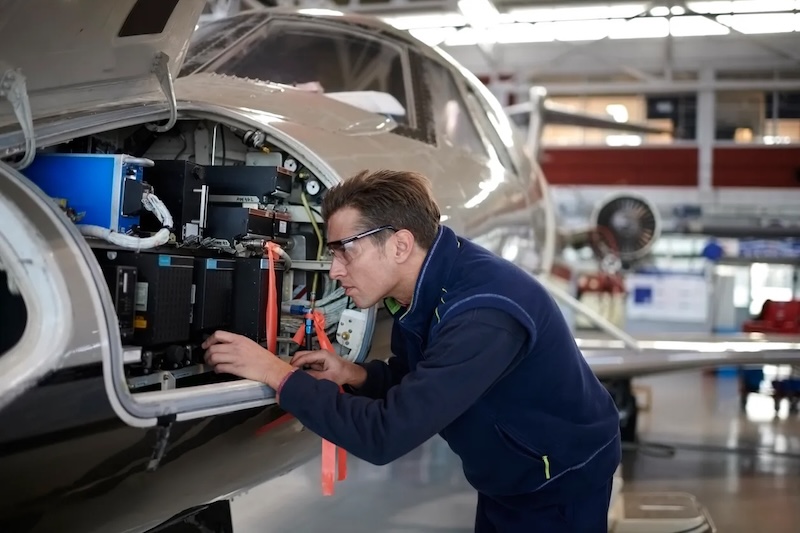
Accuracy, reliability, and efficiency are required for any aviation maintenance. Technology has changed the way maintenance teams do their jobs in the last several years.
Today, software for aviation maintenance is one of the most significant pieces of software for ensuring safety, saving time, and facilitating regulatory compliance. The benefits of using such software are several, and they apply to operators, technicians, and managers.
8 Reasons Why Aviation Maintenance Software Matters Today
The rising aviation industry makes it impossible for companies to manage their maintenance tasks through spreadsheets. This ultimately leads to an undeniable need for aviation maintenance software to take center stage and help companies take care of their airplanes more efficiently.
1. Streamlining Maintenance Processes
Maintenance consists of multiple steps and highly complex schedules. Software makes these activities easier to handle using automated reminders and checklists. You can prioritize your repairs and inspections because by automating notifications, your schedule is clear.
It ensures timely completion of necessary tasks without overlooking crucial components. Automation decreases labor costs by minimizing the amount of paperwork required to perform routine processes. This makes it easier for maintenance teams to prioritize quality over paperwork.
2. Enhancing Communication and Collaboration
Collaboration is crucial for aviation maintenance. Software platforms enable team members to share updates and reports as they come together. The ability to share information in real-time minimizes the chances of miscommunication and mistakes.
It promotes transparency as all team members can be updated about the progress of maintenance. Careful communication ensures that everyone is in agreement regarding responsibilities and timelines. As a result, both overall productivity and morale increase.
3. Improving Regulatory Compliance
The aviation authorities enforce specific regulations for safety and flying. By tracking schedules and logging completion of required tasks, maintenance software aids teams in compliance with these requirements.
Digital records make audits easier because the data is always organized and accessible. Alerts are designed for pending certifications or inspections.
It mitigates the risk of missing important deadlines through automated compliance tracking. Consequently, operators lose their certification status and stay outside the penalty limits.
4. Increasing Equipment Reliability
Unplanned downtime drives operations into a standstill and increases overhead costs. Maintenance software assists in preventive maintenance by automating inspections and readings.
This means issues can be detected earlier, before they grow into bigger problems. Having a detailed, historical record of previous maintenance helps teams make the best choices with their equipment.
With predictive analytics, it is possible to develop insights on when to replace or repair machinery. This proactive approach extends the lifetime of the assets and helps lower unforeseen failures.
5. Reducing Operational Costs
The manual way of recordkeeping and delays in repairs cause a huge waste of money. Software solutions automate data entry and analysis, reducing the hours spent on labor. Having accurate data on inventory helps you avoid surplus and ensures that the parts are always available when they are needed.
Preventive maintenance removes major repairs around the corner so that the overall expenditure remains low. It enables teams to monitor spending trends and highlight opportunities for savings. These efficiencies, over time, save a lot of unwanted expenses.
6. Supporting Decision-Making with Data
Maintenance in aviation produces data in huge quantities on a day-to-day basis. Software solutions aggregate this data into simple dashboards and reports. Managers can examine trends, track underlying problems, and plan resource distribution more effectively.
Since it derives insights from past data, it can additionally assist in more reliable prediction and budget preparation. These decisions ensure that performance and safety are driven by data.
7. Enhancing Safety Standards
The number one thing in aviation is safety. Maintenance software can play a crucial role in enhancing safety standards. They promote safety by providing a uniform procedure and exact recordkeeping.
Alongside, they also make sure that inspection officers do not forget steps using automated checks. Incident tracking features allow teams to analyze causes and prevent the recurrence of similar incidents.
Timely identification of risks is essential as long as you have a consistent reporting process. Such mindfulness leads to a safety culture in the system.
8. Simplifying Inventory Management
By preventing delays, efficient inventory management ensures the seamless functioning of all processes. Maintenance software tracks parts usage and stock levels in real time.
Alerts warn teams when supplies drop low before a shortage occurs. Automated ordering systems provide instant access to parts that matter. Keeping track removes waste and lowers storage costs.
Conclusion
Modern operators benefit greatly from aviation maintenance software. This can lead to greater efficiency, better compliance, improved communication, and reduced costs, all resulting in safer, more trustworthy operations.
Maintenance teams receive easy access to data, more efficient procedures, and increased certainty in their efforts. With progress in technology, the significance of aviation maintenance software will grow. The use of these tools today will prepare organizations for both success and safety moving forward for years to come.
