Money usually goes away sooner than one anticipates. Some minor things, a lost subscription, and all of a sudden, the bank account shows that the balance is lower than intended. Several families go through this situation despite a stable income.
Here, a personal budget application will come in handy. It may seem that it is merely an electronic expenditure journal. But it is not only recording transactions that modern tools do.
The best money management application also examines habits, points out risks, and assists the user in evolving beyond mere tracking to actual savings. It is easier to understand the working of these tools so as to use them efficiently.
Why Tracking Alone is Not Enough
Many people already track expenses in spreadsheets or notebooks. While that approach provides awareness, it rarely leads to consistent improvement.
Manual tracking requires discipline. Receipts must be entered regularly, and categories must be maintained. Over time, people stop updating the records.
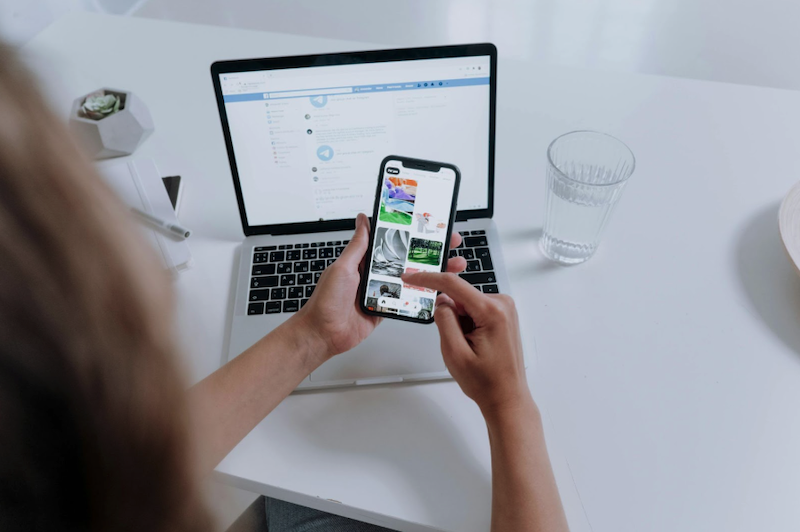
A personal budget application automates much of this work. Transactions can be imported automatically from bank accounts and credit cards. This creates a real-time picture of spending patterns.
Instead of waiting until the end of the month, users see changes immediately. That visibility allows faster adjustments before budgets are exceeded.
Key Budgeting App Features That Make a Difference
Not every personal finance application functions in a similar manner. Others are just concerned about recording expenses, whereas others are in favour of financial planning.
Several budgeting app features tend to make the biggest impact:
Automatic expense categorisation
Transactions are grouped into categories like groceries, transportation, or entertainment. This reveals where money actually goes each month.
Real-time spending alerts
Notifications warn users when spending approaches a set limit. These alerts help prevent small purchases from turning into budget problems.
Savings tracker tools
A built-in savings tracker monitors progress toward financial goals. Watching the number grow often motivates people to stay consistent.
Visual reports and charts
Graphs make financial data easier to understand. Many people quickly recognise patterns when spending is displayed visually.
These features transform a simple record into a powerful planning tool.
How Budgeting Apps Help You Save Money
The actual power of a personal budget application is that it allows behavioural change in small steps. It does not impose rigid measures but offers hints and suggestions.
These apps assist users in making savings in several ways:
- They expose dark secrets of expenditure. Little things that are bought on a daily basis are not noticeable. These costs can be seen after they are categorised automatically.
- They promote feasible budgets. Spending is underestimated by many people. Mobile apps consider historical data to provide viable boundaries.
- They point out unwarranted subscriptions. Streaming services, apps, and memberships are amassed. In most of the budgeting tools, recurrent payments are identified automatically.
- They develop quantifiable objectives. A savings tracker allows people to keep track of their emergency fund or travel budget achievements.
Financial experts state that budgeting apps are capable of enhancing financial discipline and awareness with consistent use. Similar visibility can even affect superior decisions. An advice column by Forbes further points out the ways in which budgeting technology can help individuals to manage their finances and better financial planning.
Is the Budget App Spending Tracker Safe?
Security is one of the most common concerns. Many people ask: Is the budget app spending tracker safe when connected to bank accounts?
Most modern platforms use encryption and secure financial APIs. These technologies allow apps to read transaction data without gaining control over funds.
A reputable personal budget application typically includes:
- bank-level encryption
- read-only access to financial accounts
- multi-factor authentication
- secure data storage
These measures protect personal data while still allowing automated tracking. Choosing a trusted provider remains essential for maintaining security.
Why a Personal Budget Application Changes Financial Habits
The biggest advantage of a personal budget application is consistency. Financial awareness becomes part of everyday routines rather than a monthly task.
When people open a money management app regularly, they begin noticing patterns. The spending decisions are made more consciously. To illustrate, an individual may find out that a regular takeout is more than the grocery.
It is only through that realisation that a small lifestyle change can be stimulated. These minor differences add up over time. Just saving money every week can result in a vast sum saved annually.
Choosing the Right Personal Budget Application
Not every tool suits every user. Some people prefer simple spending trackers. Others want advanced financial planning tools.
When selecting a personal budget application, several factors matter:
- ease of use and clear interface
- strong security features
- useful budgeting app features
- automatic transaction syncing
- goal-based savings tracker tools
A widely used option is the personal budget application. The platform focuses on simplifying spending visibility and helping users understand how much money remains available after essential expenses.
Tools like this aim to reduce financial stress by showing clear limits and available funds in real time.
Turning Financial Awareness into Long-Term Savings
Technology does not necessarily lead to financial success. Better decisions can, however, be made easier with the right tools.
A personal budget application turns the complicated financial records into straightforward knowledge. Users can obtain clear information on how money is spent instead of guessing the destination.
Such knowledge facilitates better financial practices, better-placed budgets, and consistent steps towards goals of saving money. With time, regular monitoring turns out to be assured money management.
What has been your experience with budgeting apps?
Have digital tools helped improve spending habits, or do traditional budgeting methods work better? Share thoughts or questions in the comments, so the conversation can continue.
