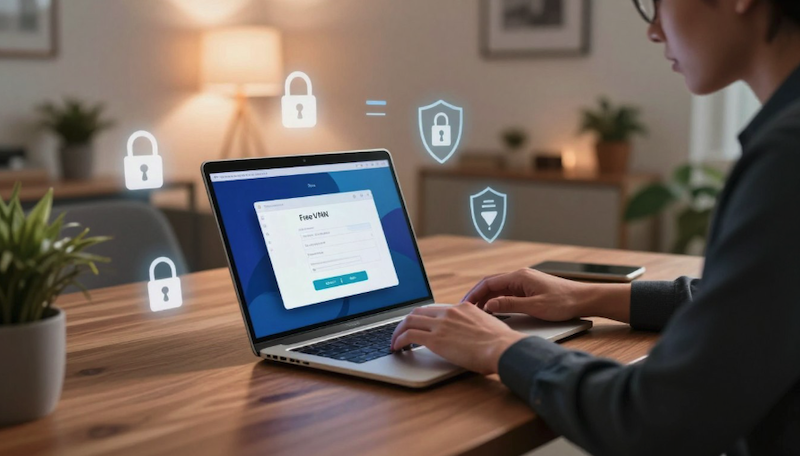
Your Apple computer is built with strong safeguards. Yet, your daily internet use can still expose you.
Activities on public networks, hidden tracking codes, and regional content blocks create risks. These gaps in your digital privacy call for an extra tool.
A virtual private network https://freevpnplanet.com/mac/ acts like a private tunnel for your connection. It helps shield your location and makes your information unreadable to outsiders.
This added layer of protection is valuable for anyone. It keeps your browsing safe on untrusted networks and opens up a world of content.
You might think a zero-cost service can’t be effective. In today’s landscape, several reputable providers offer robust no-cost plans.
This guide will show you how to use this technology on your macOS device. We’ll cover essential features, simple setup steps, and smart habits for maximum safety.
Key Takeaways
- macOS has built-in security, but online activities still create vulnerabilities.
- A virtual private network adds a crucial layer of privacy by masking your IP address.
- It encrypts your internet traffic, making it safe to use on public networks.
- Legitimate no-cost options are available and can be very effective.
- Using one can help you access geo-blocked websites and streaming content.
- This article will provide a practical guide for Apple computer users.
Introduction: The Importance of Online Privacy on Mac
Despite the strong defenses built into macOS, your digital footprint remains exposed during everyday browsing. Apple’s systems guard your device well, but they cannot shield your actions on the wider web. This gap between local security and global internet risks is where privacy concerns emerge.
Understanding Mac Vulnerabilities and Online Tracking
Your computer’s operating system is not designed to stop every external observer. Internet service providers, public network operators, and advanced tracking scripts can still monitor your behavior. Several common methods collect information about your online habits.
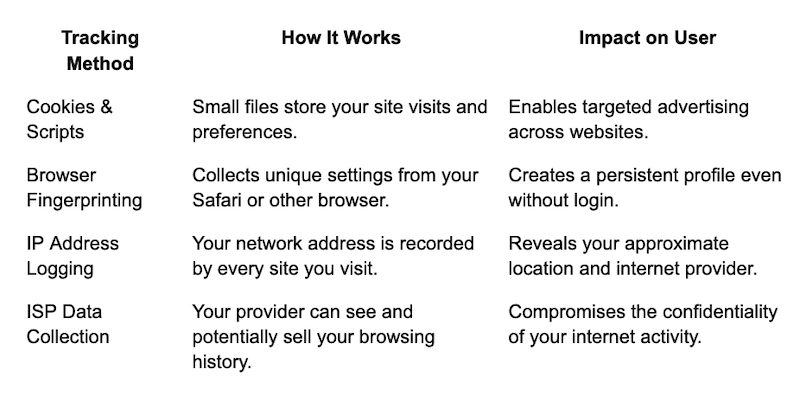
Connecting to shared networks in coffee shops or airports increases these risks. On such open Wi-Fi, other users might intercept your traffic. This makes personal details vulnerable to theft.
Why VPNs Are Essential for Protecting Your Data
A virtual private network addresses these core weaknesses. It establishes a secure tunnel for all your internet traffic. This process hides your real IP address and makes your information unreadable to snoops.
This technology also helps bypass geographical blocks on content. It allows you to view region-locked media and services. Combining this tool with your Mac’s native features builds a powerful, layered defense for your digital life.
How a VPN Enhances Your Online Privacy
The fundamental power of this technology lies in two key processes: masking and scrambling. These core mechanisms work together to create a robust shield for your digital activities.
IP Masking and Encryption Fundamentals
IP masking routes your internet traffic through a remote server. This action hides your real network address and makes location tracking difficult.
Encryption scrambles your information into unreadable code during transmission. Advanced standards like 256-bit AES are considered military-grade and virtually unbreakable.
Together, they form a secure tunnel. This tunnel protects all your connection’s traffic from prying eyes.
Benefits Over Other Security Tools
A virtual private network offers unique advantages compared to common safeguards. While other tools protect specific areas, this service secures your entire connection path.
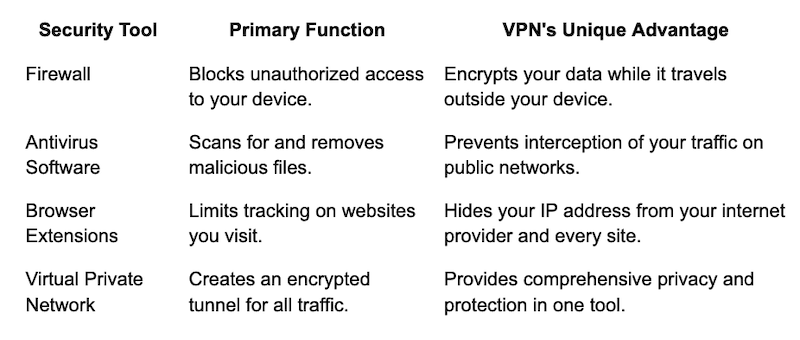
This layered approach is crucial for full-spectrum security. It safeguards everything from browsing and streaming to downloads.
Choosing a Free VPN for Mac: Essential Features
Not every complimentary service offers the same level of protection for macOS users. Simply grabbing any tool from the App Store is not enough. You must examine its core attributes to ensure real safety.
Essential features determine a tool’s effectiveness. Look beyond the price tag to evaluate what you’re getting.
Key Considerations for Secure Wi-Fi and Encrypted Data
Server coverage is a major factor. Access to multiple geographic locations improves your experience. It helps mask your origin and unlocks regional content.
A strict no-logs policy is non-negotiable. Providers should not record your browsing history or connection details. This ensures your activities remain confidential.
Strong protocols are needed to scramble your information. Look for services that use modern, robust standards. This keeps your details safe on any network.
The app should be designed specifically for macOS. Native support guarantees better performance and stability. It integrates smoothly with your system’s settings.
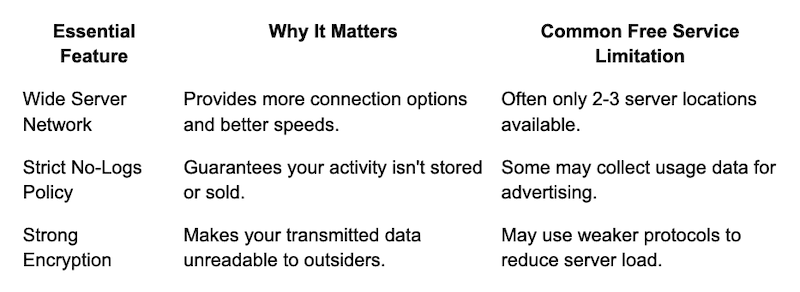
Understand these trade-offs. Many zero-cost options impose data caps or speed throttling. They might show ads within their interface.
Evaluating these points helps you choose wisely. You can find a reliable tool that truly guards your connection.
Securing Your Wi-Fi and Encrypting Data
The moment you join a public hotspot, your device becomes visible to everyone else on that network. Cafes, airports, and libraries offer convenient access, but their open links lack basic safeguards.
Practical Tips for Safe Public Wi-Fi Usage
Always activate your protective software before your device connects to any unfamiliar signal. This ensures your information is scrambled from the very first byte sent.
A common mistake is to connect first and enable protection later. That brief window leaves your transmission exposed.
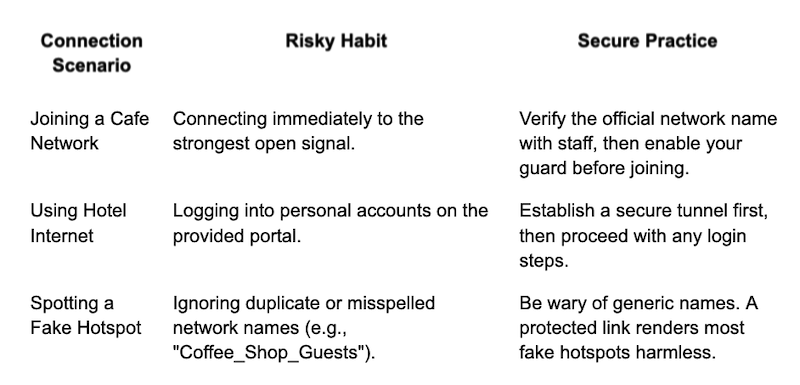
This level of safeguarding is also wise for your home network. It prevents your internet provider from monitoring your activity.
Consistent use across all your internet sessions creates a comprehensive shield. Your digital life stays protected regardless of location.
Anonymous Surfing: Benefits and Considerations
Achieving true anonymity online involves more than just hiding your location. This technology offers significant benefits but also has clear boundaries.
How a VPN Hides Your Digital Footprint
This tool masks your real network address by routing your connection through a remote server. Your visible location becomes that of the server, not your own.
This process anonymizes core aspects of your internet activity. It covers website visits, search queries, and content you stream.
Your internet provider sees an encrypted connection to the vpn server. They cannot monitor the specific sites you access or the content you view.
However, anonymity has limits. If you log into a social media or shopping account, that service knows your identity. Website cookies can also track your browsing patterns across sessions.
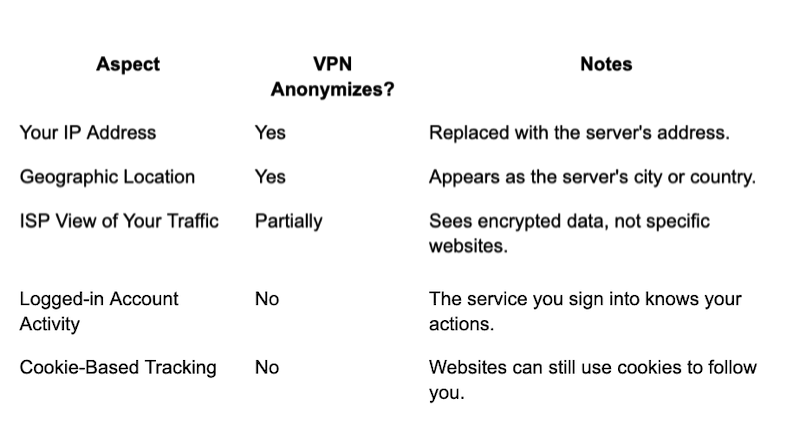
For the best protection, combine this tool with other habits. Use your browser’s private mode and manage cookies regularly.
Understanding the Free VPN Landscape
Selecting a reliable guard for your internet connection involves comparing several critical factors. The market for complimentary privacy tools is diverse, with each offering a different balance of features.
These services often sustain operations through advertising or by offering premium upgrades. Understanding this model helps you gauge what to expect from a no-cost tier.
Evaluating Speed, Server Options, and Privacy Policies
Connection speed is a primary concern. Check independent reviews and run your own tests to see how a service performs during peak hours.
Available servers determine your flexibility. Look for geographic diversity and a sufficient count to avoid overcrowding on a single server.
The provider’s privacy policy is non-negotiable. Scrutinize it for clear no-logs commitments and transparency about what user data, if any, is collected.
Common limitations include monthly data caps, bandwidth throttling, and restricted access to advanced features. Being aware of these trade-offs helps set realistic expectations.
Thorough evaluation helps you identify legitimate vpns that offer a solid balance of performance and protection for your needs.
Installation and Setup Tips on macOS
A successful setup on macOS hinges on downloading from trusted sources and configuring essential options. This process ensures your new software integrates smoothly with your system.
Step-by-Step Guide to Installing a VPN App
Begin by obtaining the software from an official digital storefront or the developer’s verified website. This protects you from malicious copies.
After the download completes, open the file and drag the application icon into your Applications folder. Launch the program from there.
The installation may request permissions to add network configurations. Grant these to allow the tool to function. You will typically need to create an account using an email address.
Always check the software version against your macOS version for compatibility. Most modern apps support recent Apple operating systems.
Optimizing Your VPN Settings for Better Performance
Once installed, fine-tuning a few settings enhances your experience. Your first choice is selecting a server location.
Pick a nearby server for the fastest connection speed. Choose a specific country if you need to access regional content.
Explore the application’s preferences menu. Enable features like auto-connect on startup for constant protection.
Activate the network lock feature, often called a kill switch, if available. This prevents traffic leaks if the connection drops.
For the best performance, select a modern protocol like WireGuard or IKEv2 in the settings. These offer a good balance of speed and security.
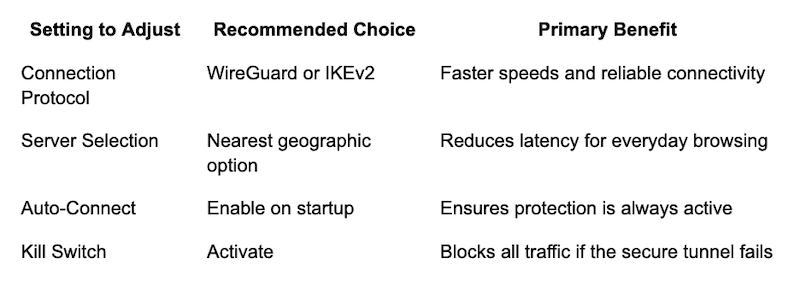
If you encounter connection problems, try switching servers or restarting the app. These simple steps resolve most common issues.
Enhancing Privacy Beyond Basic VPN Use
Your macOS device offers built-in settings that, when activated, significantly boost your guard. A single tool is rarely enough for complete digital protection.
Combining your protective software with other measures creates a layered defense. This strategy is far more effective against modern tracking.
Leveraging Browser and System Privacy Settings
Safari’s Intelligent Tracking Prevention works well with your vpn. It limits how websites can follow your browsing across the internet.
Check your system preferences for key controls. Adjust location services and app permissions. Limit diagnostic information sharing with Apple.
Always use private or incognito browsing modes. This prevents local storage of your history and cookies during a session.
Manage website cookies regularly through your browser settings. Consider extensions that block tracking scripts. These actions complement your encrypted connection.
Configure your DNS settings to a trusted provider. This adds another layer of privacy for your mac. It helps hide your use patterns from your internet provider.
This defense-in-depth approach protects against various threats. Your vpn is most powerful as part of a comprehensive strategy.
Security Concerns: Common Limitations of Free VPNs
Zero-cost privacy tools often come with inherent compromises that users must acknowledge. These services need to cover operational expenses, which leads to enforced restrictions.
Understanding Trade-Offs in Connection Speed and Data Caps
Bandwidth throttling is a common practice. Your connection speed may be intentionally reduced, especially during high-traffic periods.
This makes activities like video streaming or large downloads frustrating. Many free vpn tiers impose monthly data allowances.
A few hours of high-definition video can exhaust a typical cap. Server access is also limited, leading to congestion at peak time.
Performance can vary significantly. Some service providers support their no-cost model through ads within the application.
These advertisements can be intrusive and may even pose a privacy risk. Paid vpns offer unrestricted data, faster connections, and more server choices.
Understanding these trade-offs helps you set realistic expectations. Plan your usage around known limitations to avoid surprises.
Evaluating VPN Performance and Data Protection
To ensure your chosen tool is truly effective, you must actively test its core performance and security claims. Regular checks verify that your guard remains strong over time.
Assessing Encryption Strength and Connection Stability
Start by reviewing the protocol options in your app’s settings. Modern standards like WireGuard and IKEv2 offer excellent speed and robust security.
Test connection stability by monitoring how often the link drops during a typical day. A reliable service should maintain a steady tunnel across different networks.
Try connecting to various server locations. Consistent performance, regardless of the server you choose, is a key indicator of quality.
Monitoring Data Leakage and Reliability
It’s crucial to check for information leaks. Use trusted online testing websites while your guard is active.
These tools can reveal if your real IP address or DNS requests are exposed. A proper setup should hide these details completely.
Verify the kill switch feature works. Simulate a dropped connection to confirm all internet traffic stops, preventing accidental exposure.
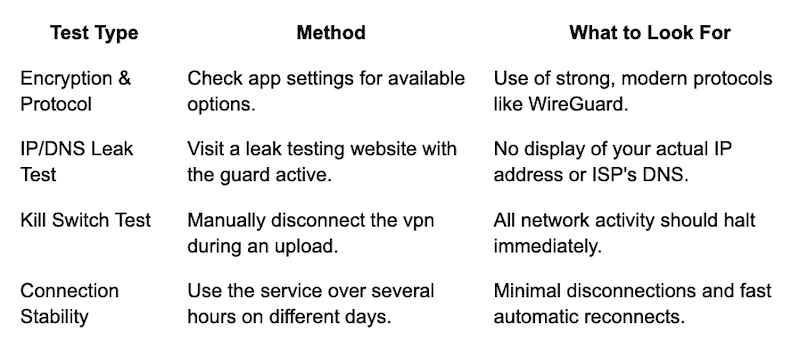
This ongoing evaluation confirms your digital protection is working as intended. It ensures your information stays private.
Real-Life Tips for Maintaining Online Security on a Mac
A practical approach to online safety integrates technical safeguards with daily user practices. Strong protection is built through consistent habits and layered tools.
Integrating VPNs with Comprehensive Digital Security
Develop a routine of enabling your guard before any network connection. Configure auto-connect features to ensure this happens every time.
Extend this protection across all your devices. A good service can support your iPhone, iPad, and even a Windows PC simultaneously.
Balance your needs by selectively activating the tunnel for sensitive tasks. Turn it off for local activities requiring maximum speed.
Pair this tool with a password manager and two-factor authentication. Keep all your software updated to close other security gaps.
Best Practices for Safe Browsing in Everyday Use
Always verify website certificates before entering personal details. Be cautious of unsolicited links in emails or messages.
Stay informed about new phishing tactics and emerging threats. Adjust your browsing habits as your knowledge grows.
Effective digital security combines reliable tools like a vpn mac with smart, consistent decision-making.
Conclusion
Taking control of your digital safety on macOS is an achievable goal with the right tools. A Free VPN for Mac offers meaningful benefits without upfront cost. It helps shield your location and scrambles your information during transmission.
When selecting a service, prioritize strong encryption and transparent privacy policies. While some limits on speed or data exist, these tools provide solid protection for everyday browsing and streaming.
Combine this technology with smart habits for a layered defense. Use private browsing modes and keep software updated.
Start by evaluating reputable options. Implementing these strategies will significantly enhance your safety on the internet.
FAQ
Are no-cost VPNs safe to use on my Apple computer?
Safety varies greatly between providers. Reputable services like ProtonVPN offer strong protection with transparent no-logs policies. However, many others may compromise your security with data collection or weak encryption. Always review the provider’s privacy policy and independent audits before use.
Will using this type of service slow down my internet connection?
Some reduction in speed is common due to the encryption process and distance to the server. Premium providers invest in faster infrastructure to minimize this impact. Performance can depend on server load, your original network speed, and the provider’s available bandwidth.
Do these providers keep logs of my online activity?
This is a critical consideration. A trustworthy provider will have a strict no-logs policy, meaning they do not record your browsing history, connection timestamps, or IP addresses. Always verify this policy in the service’s documentation to ensure your activity isn’t tracked or stored.
How many server locations are typically available with a free plan?
Plans without payment usually offer a limited selection of servers, often in just a few countries. This can restrict your ability to access geo-specific content and may lead to congested servers during peak times, affecting both speed and reliability.
Can I access streaming platforms like Netflix with a complimentary VPN?
Most streaming services actively block IP addresses from known no-cost servers. While some providers might offer limited access, consistent and reliable unblocking is typically a feature reserved for paid subscriptions due to the need for dedicated, updated IP addresses.
Is the setup process difficult on macOS?
Installation is generally straightforward. You download the application directly from the provider’s website or the Mac App Store, open the installation file, and follow the on-screen prompts. Most modern apps feature a simple one-click connect interface for immediate protection.
What happens if my VPN connection drops unexpectedly?
A sudden disconnect can expose your real IP address and data. Look for a feature called a “kill switch” in your app’s settings. This tool automatically blocks all internet traffic if the secure connection fails, preventing any accidental data leaks.
