Building a software company is a marathon of solving problems. You’ll spend months or years perfecting a product that makes life easier for your users. But, honestly, even the best software in the world can feel a little cold if the only time a customer hears from you is when their credit card fails or a server goes down.
We all know that growth depends on engagement. If people don’t use the tool, they don’t see the value. If they don’t see the value, they’re going to leave. And that’s a tough pill to swallow after all that work.
Email is still the most direct line we have to our users. It’s the digital equivalent of a tap on the shoulder.
But here is the thing. As your user base grows from ten people to ten thousand, you just can’t manually send a “welcome” or a “how is it going” note to everyone. I mean, you could try, but you’d never sleep.
This is where automation comes in. The challenge for most of us is making sure that automation doesn’t turn our brand into a faceless machine. You want to scale your reach without losing the personality that made people sign up in the first place.
The Foundation of a Great Automation Strategy
Before you even log into a platform or write a single line of copy, you’ve got to think about the journey. A user signs up because they have a specific pain point. Your automated emails should act as a guide through that pain. It isn’t about blasting features. It’s about showing them the path to success.
Have you ever stopped to ask what your user is actually feeling when they first log in? Maybe they’re overwhelmed. Maybe they’re hopeful.
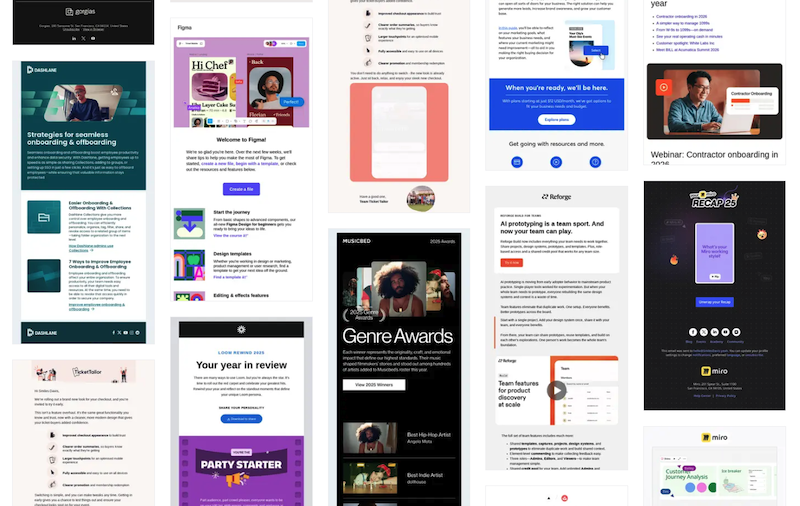
To get a better sense of how to structure these messages, it’s often helpful to look at successful SaaS email examples for inspiration on layout and messaging early in your planning. I remember staring at a blank screen for hours before I realized I didn’t have to reinvent the wheel.
Automation starts with data. You need to know when someone last logged in, which features they touched, and where they got stuck. This isn’t about surveillance. It’s about relevance. When you send an email that arrives exactly when a user is struggling with a setup step, it doesn’t feel like marketing. It feels like a helping hand. That’s the goal.
The Welcome Sequence: Your First Impression
The moment someone signs up for a trial or a subscription, the clock starts ticking. They’re interested right now. If you wait three days to say hello, the spark is gone. A solid welcome sequence usually spans about five to seven days.
In the first email, keep it simple. Thank them for joining. Give them one clear action to take. Don’t overwhelm them with ten links and a long history of your company. Just get them into the app.
And then there is the follow up.
The subsequent emails should focus on “quick wins.” What’s the one thing they can do in five minutes that’ll make them say, “Wow, this actually works”? Automate these based on their behavior. If they’ve already completed the task, skip the tutorial and move to the next value point. You know, it’s about respecting their time as much as your own.
Re-engaging the Quiet Users
We’ve all been there. We sign up for a promising tool, use it once, and then life gets in the way. For a software provider, these quiet users are a risk.
How do you bring someone back without sounding desperate?
An automated “win-back” or re-engagement campaign is essential. Instead of a generic “We miss you” email, try to provide value. Share a case study or a new way to use a feature they haven’t tried yet. Sometimes, people just need a reminder of why they signed up. If they still don’t come back after a few attempts, it’s okay to let them go.
A clean list of engaged users is much better for your deliverability than a massive list of people who never open your mail. It’s better to have a small, buzzing room than a stadium of empty seats.
Education Over Promotion
One of the biggest mistakes in automation is focusing too much on the upgrade. Yes, you want them to move to a paid plan. But the best way to get a conversion is to prove that your software is indispensable.
Use your automated flows to educate. Send “Pro Tips” that help them work faster. Share stories of how other teams are using the tool to save time. When you position yourself as a partner in their success rather than just a vendor, the transition to a paid plan happens much more naturally. You aren’t selling. You’re helping them grow. And that’s the point.
Technical Setup and Maintenance
You’ll need a reliable tool to handle the logic. There are many options out there that integrate directly with your database. The key is to ensure your triggers are accurate. There’s nothing more confusing for a user than receiving an email telling them to “finish setting up their profile” when they already did it two hours ago. It just feels… broken.
So, how often are you checking your automated flows for broken links or outdated advice?
Check them regularly. Links break, screenshots get outdated, and your tone might shift as your company evolves. Treat your automated emails like part of your product code. They require maintenance and updates to stay functional and effective. I’ve found that a quick audit once a month keeps the “ghost in the machine” feeling at bay.
Moving Toward a More Personal Connection
At the end of the day, automation is just a tool to buy you time. That time should be used to focus on the big picture and the high-touch interactions that truly move the needle. By automating the repetitive stuff, you’ll ensure that no user falls through the cracks. You’ll create a consistent, reliable experience that builds trust over time.
When you do it right, your users won’t think about the fact that a server sent the email. They’ll just think about how helpful it was. It’s about that feeling of being seen. And that’s exactly how you build a loyal community around your software.
