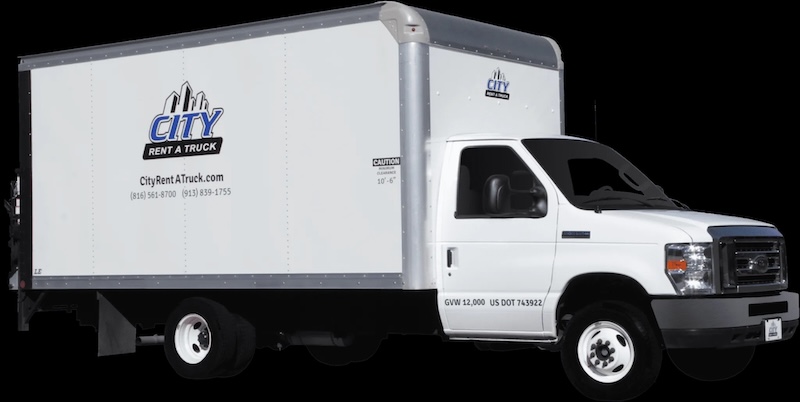
Choosing the best truck rental is important when it comes to business. Reliable vehicles enable smooth delivery, prompt service, and seamless operation.
Making an informed decision saves you both money and time by avoiding unnecessary expenses. Taking key considerations into account will prevent many of the common pitfalls and maximize ROI for companies.
Assess Transport Needs
Start by closely assessing your transportation needs. Think about what the goods are, the quantity, and how often you want them delivered. A smaller vehicle can handle fewer loads, while a larger truck is necessary for others.
By minimizing the mismatch between actual cargo weight and vehicle size, it will save material costs and operational costs. The option to rent commercial trucks provides flexibility for companies managing seasonal workloads or temporary contracts.
Check the Vehicle’s Condition
First and foremost, you must check all your potential rentals before making a decision. Look over the tires, brakes, lights, and overall bodywork for obvious defects or damage.
And a properly operating vehicle is so much less likely to break down while you are driving it. Always ask for maintenance history and ensure regular service checkups for peace of mind.
Understand Rental Terms and Insurance
Go through the details of the agreement in the pipeline carefully and cautiously with regard to the insurance coverage. Make sure the policy covers collision, theft, and third-party coverage.
Another way to avoid future disputes is to have clear terms when a contract is prepared, as sometimes a hidden fee or restriction may not be included in the contract. Ensure you also verify the procedure for roadside assistance and emergency help.
Prioritize Fuel Efficiency
Fuel costs represent a significant expense for transport businesses. Choose one that has a reputation for excellent fuel economy.
Some companies are creating reserves for future expenses, which means that efficient trucks lower total expenditures in the long run and also help stakeholders achieve their environmental goals. Selecting the most cost-effective option for mileage ratings on regular routes is crucial.
Assess Load Capacity and Configuration
Truck specifications are therefore uniquely sized and titled as per the load capacity. Overloading a vehicle can be both a safety hazard and a source of mechanical issues. Based on the payload capacity, adjust the load requirement of the truck, keeping some room for weighing imbalances.
The type of cargo is also important, as well as the need for specialized configurations, such as refrigeration units with protective enclosures.
Consider Accessibility and Comfort
Comfort is also crucial, as drivers spend long hours behind the wheel. Seek adjustable seating, natural-feeling controls, and climate control.
Accessibility is key for both the loading and unloading processes. Hydraulic lifts, side doors, and ramps make it so much easier (and less labor-intensive) to get your supplies in and out every day.
Inspect Safety Features
When choosing a truck, drivers still lead with safety. There are many features in modern vehicles, like anti-lock brakes, airbags, rearview cameras, and traction control. The improved safety aspect reduces the risk of accidents and ensures safety for personnel and cargo.
Caveat: Always ensure the model you are choosing aligns with safety compliance and regulations in your region.
Evaluate Customer Support
It’s nice to know that if you have any issues, customer support is there to help, so you can leave your worries at home. Select services that provide timely support and transparent information.
Quick problem solutions, be it technical bugs or documentation concerns, minimize business disruption. The difference between taking positive action and facing unexpected challenges can be significant, as illustrated by the impact of good service.
Plan for Flexibility
Sometimes business needs change overnight, which means flexible rental arrangements are crucial. Find contracts that allow you to swap vehicles or rental periods for little cost or time.
When a peak season occurs or there is a sudden change in demand, flexibility aids in keeping businesses productive and on track. Ask the provider up front about this to avoid headaches later.
Conclusion
The right commercial truck rental is set to keep businesses operating smoothly, safely, and cost-effectively. The backbone of intelligent decision-making and a well-oiled day-to-day operation, careful planning, and attention to detail.
With these eight tips, organizations will be able to procure the right vehicles that they can count on to serve their purpose. Most of the time, organizing ahead of time will minimize disruption and enhance workforce productivity.
