Pittsburgh has long been one of the world’s most influential robotics hubs. In this outlook for 2026, Jenn Apicella, executive director of the Pittsburgh Robotics Network, examines the trends shaping the next phase of robotics – from affordable humanoid robots to scaled autonomous transportation and the rise of physical AI
By any meaningful metric, Pittsburgh has earned its reputation as the robotics capital of the world. Anchored by decades of world-class research at Carnegie Mellon University and powered by a dense network of more than 250 robotics, AI, and deep tech companies, the region has become a proving ground for autonomous systems that are reshaping manufacturing, logistics, transportation, defense and more.
The Pittsburgh Robotics Network, which convenes and champions this ecosystem, is tracking converging technology and market trends indicating that the next phase of robotics across industries will likely be characterized by affordable humanoids, scaled robotaxi deployment, and the mainstreaming of physical AI.
Why Pittsburgh is the robotics and physical AI capital of the world
Pittsburgh is widely referred to as the “robotics capital of the world” due to its unusually cohesive innovation stack. Research institutions, venture-backed startups, established robotics companies, and global OEMs operate within minutes of one another.
The region ranks No. 3 globally among the world’s 29 robotics clusters, among the San Francisco Bay Area and Boston. Unlike many other tech hubs, however, Pittsburgh’s ecosystem is deeply integrated with heavy industry, with robotics companies deploying automation into factories, warehouses, mines, highways, and defense environments.
The Pittsburgh Robotics Network plays a catalytic role in this environment. Through ecosystem mapping, workforce initiatives, investor connections, and policy advocacy, it brings together robotics startups, AI developers, systems integrators, advanced manufacturers, research labs and corporate innovation teams.
The result is a tightly woven cluster where partnerships form quickly and technologies move from lab to factory floor at speed.
Supporting this growth is the Pennsylvania Department of Community and Economic Development, which has prioritized robotics, AI, and advanced manufacturing as key drivers of the state’s economy.
Pennsylvania is currently the only Northeastern state with a growing economy, and it has positioned itself as a top destination for robotics and physical AI companies through tax incentives, site development programs, workforce training, and R&D support.
For companies evaluating expansion or relocation, the alignment between state policy and robotics industry needs has become a competitive advantage.
Against this backdrop, the Pittsburgh Robotics Network’s 2026 predictions outline two transformative shifts.
Prediction 1: The affordable humanoid arrives
For years, humanoid robots have captured headlines but remained commercially elusive. That changes in 2026.
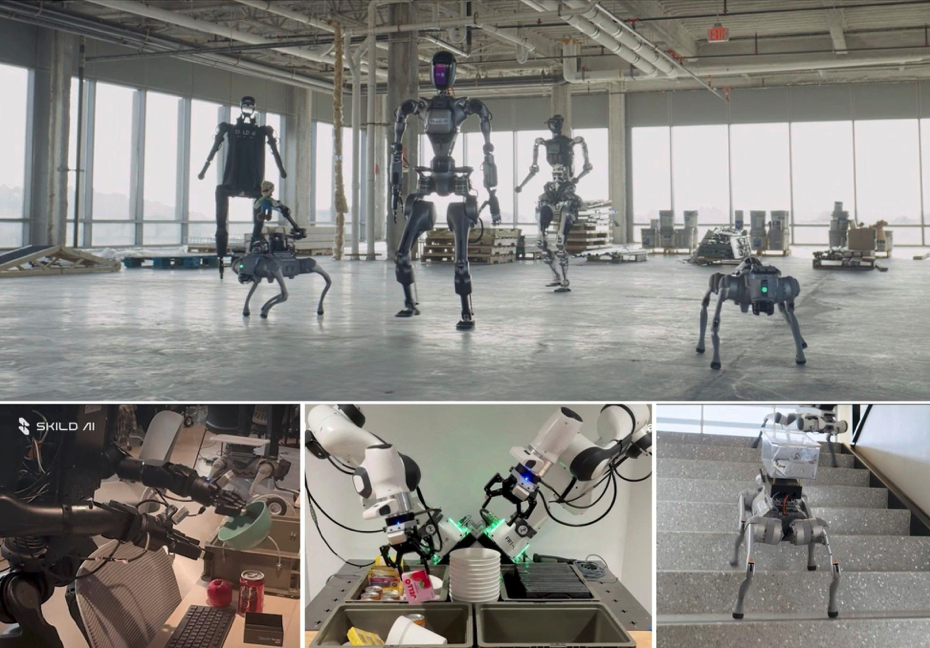
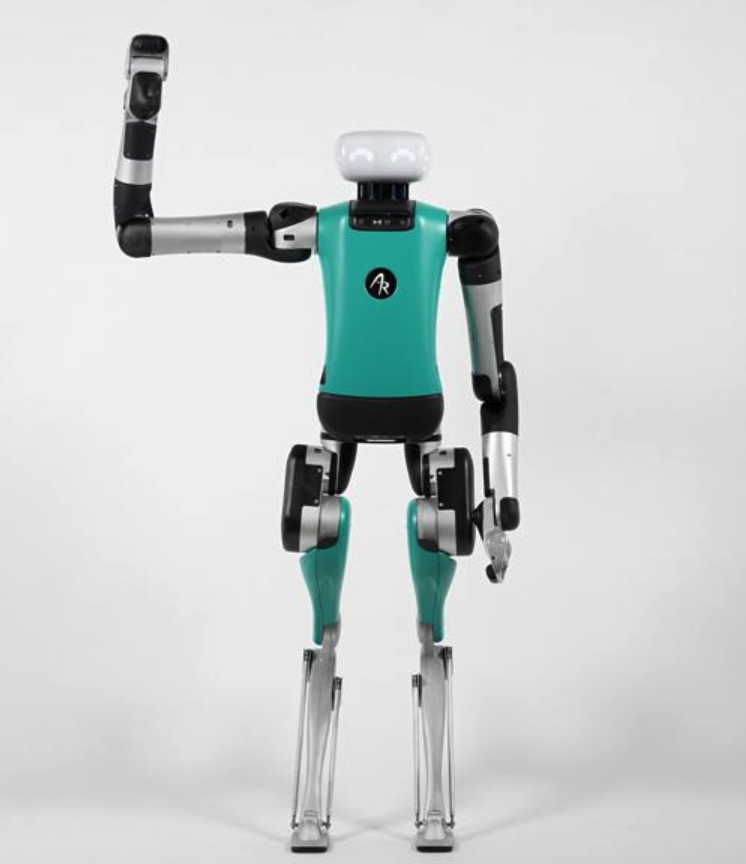
According to the Network’s outlook, capable bipedal humanoids could drop below the $20,000 price point, triggering the first true wave of mass-production deployments in industrial settings. Once price and reliability converge, warehouse and factory operators gain a flexible automation layer able to work in human-designed environments without reconfiguring facilities.
A key regional player in this shift is Agility Robotics. The company raised $400 million over the past year to accelerate scaling of its Digit humanoid platform.
It has also announced significant commercial partnerships, including an agreement with Toyota Motor Manufacturing Canada to explore deployment in automotive manufacturing. These agreements signal that humanoids are moving from pilot to production.
At the same time, Pittsburgh-based Skild AI has emerged as a defining force in physical AI. The company raised more than $1 billion in the past year from prominent investors, positioning itself as a foundational model provider for embodied intelligence. Rather than building hardware alone, Skild AI focuses on scalable AI models that can generalize across robot types and tasks.
The convergence of companies like Agility Robotics and Skild AI reflects a broader trend: the separation and recombination of hardware and intelligence. As humanoid hardware becomes more affordable, the differentiator shifts to adaptable AI capable of learning tasks across logistics, manufacturing, and service domains.
For industrial operators, the implications are significant:
- Brownfield facilities can automate without complete redesign.
- Labor shortages in repetitive or hazardous roles can be mitigated.
- Deployment scales through software updates rather than mechanical redesign.
The Pittsburgh Robotics Network expects the first wave of sub-$20,000 humanoids to concentrate in logistics and light industrial environments. From there, cost curves and AI improvements will drive adoption into small and mid-sized manufacturers. The countdown to in-home humanoids may begin in 2026, but industry will absorb the first meaningful volume.
Prediction 2: Robotaxis surpass 10 percent market share
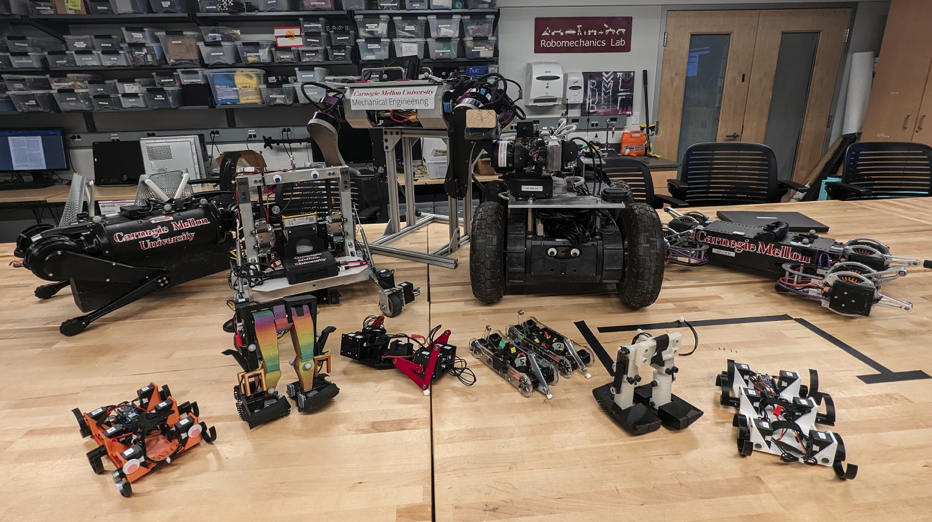
Autonomous vehicles have long been synonymous with Pittsburgh. Many of the foundational breakthroughs in self-driving technology originated at Carnegie Mellon, and several early AV companies were seeded by alumni and faculty.
In 2026, fully driverless ride services are projected to surpass 10 percent market share in multiple cities worldwide, with total paid autonomous miles exceeding 500 million.
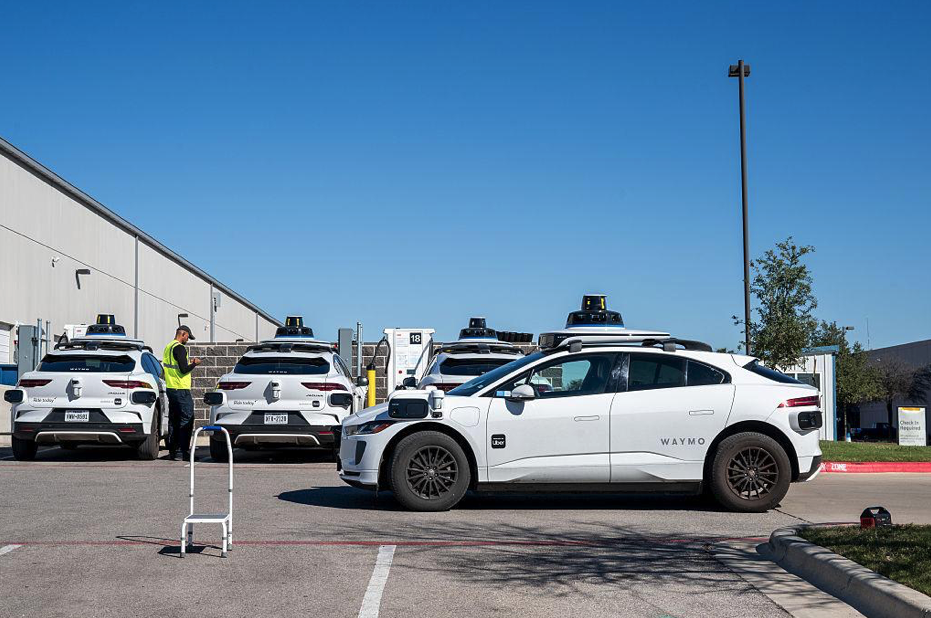
Waymo, originally launched as the Google Self-Driving Car Project, has expanded its operations into Pittsburgh, reinforcing the city’s ongoing relevance in autonomy.
While Waymo was not founded in Pittsburgh, much of the early autonomous driving talent pipeline traces back to CMU. The company’s continued geographic expansion underscores the commercial maturity of driverless systems.
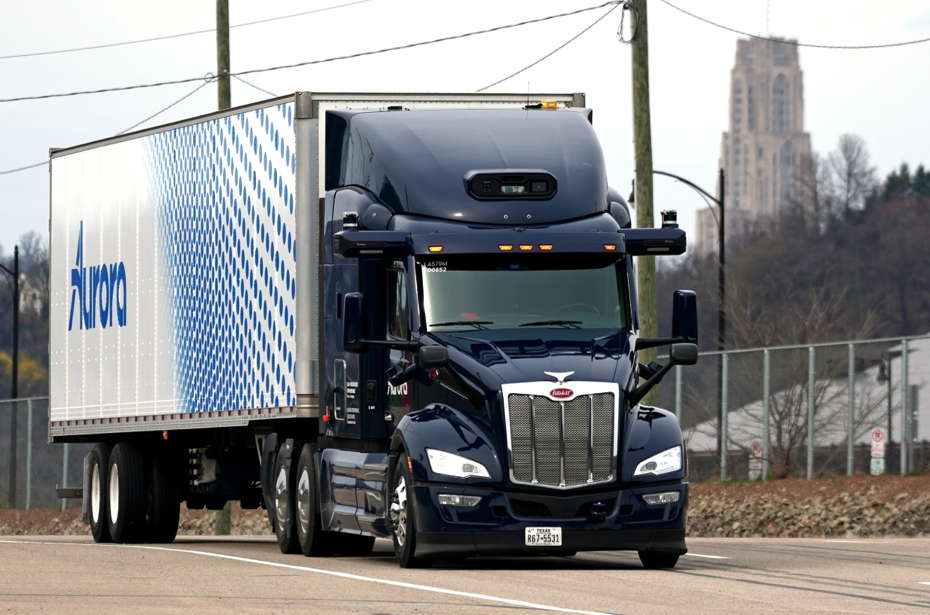
Meanwhile, Aurora Innovation, headquartered in Pittsburgh, has continued to scale its autonomous trucking and ride-hailing ambitions. Aurora has expanded partnerships with major logistics and freight players, pushing closer to commercial driverless operations on long-haul routes.
For logistics professionals, autonomous trucking may prove even more disruptive than robotaxis, addressing chronic driver shortages and increasing asset utilization.
The 10 percent threshold is symbolic but powerful. Once autonomy becomes the default option rather than a novelty, consumer trust and regulatory normalization follow. For manufacturing and logistics leaders, this shift reinforces a broader trend: autonomy is transitioning from pilot projects to infrastructure.
Physical AI becomes the core platform
Underpinning both predictions is the rise of physical AI. Unlike digital-only AI applications, physical AI must perceive, plan, and act in dynamic environments.
Pittsburgh’s ecosystem is uniquely suited to this challenge because it integrates robotics hardware companies, AI startups, simulation platforms, and applied research labs within a single geographic cluster.
The Pittsburgh Robotics Network’s ecosystem map highlights companies across autonomous vehicles, industrial robotics, aerial systems, defense tech, sensors, and AI software. By convening these actors through events, investor forums, workforce initiatives, and industry roundtables, the Network accelerates cross-pollination.
A humanoid robotics startup can collaborate with a local AI model developer. An autonomous vehicle company can recruit from CMU’s robotics programs. A global manufacturer relocating to Pennsylvania can access state incentives through the Department of Community and Economic Development while tapping into the regional robotics talent pool.
This density matters. Robotics is capital intensive, technically complex, and highly regulated. Regions that can align research, capital, policy, and industry demand gain structural advantages. Pittsburgh has done precisely that.
A state-level tailwind
Pennsylvania’s economic positioning further strengthens the region’s outlook. As the only Northeastern state currently experiencing economic growth, it has doubled down on advanced manufacturing and robotics as strategic pillars.
Through grants, tax credits, and site development support, the Pennsylvania Department of Community and Economic Development has helped attract robotics firms and scale existing ones.
For executives evaluating where to build their next automation facility or R&D center, the equation is increasingly compelling: access to world-class robotics talent, proximity to industrial customers, state-level economic support, and a collaborative cluster anchored by the Pittsburgh Robotics Network.
2026: The inflection point
The Pittsburgh Robotics Network’s 2026 predictions do not hinge on speculative breakthroughs. They are grounded in capital flows, commercial agreements, and real-world deployments already under way.
Affordable humanoids are transitioning from prototype to production. Robotaxis are crossing the psychological threshold into mainstream transportation. Physical AI is emerging as the unifying layer across embodied systems.
For professionals in manufacturing, logistics, and engineering-led sectors, the message is clear. The next wave of robotics will not be confined to isolated pilots. It will be deployed at scale.
And once again, much of that scale will be shaped in Pittsburgh.

About the author: Jennifer Apicella is the executive director of the Pittsburgh Robotics Network, overseeing the growth and development of the Pittsburgh region’s commercial robotics and AI cluster, which is one of the world’s top hubs for deep tech innovation. With over 20 years of experience working in advanced technologies, she has spent the majority of her career helping clients succeed with digital transformation and growth. She has a strong background developing strategic business partnerships to expedite commercial expansion across multiple industry markets, with the goal of achieving accelerated revenue growth and increased market share for complex technology solution adoption.
