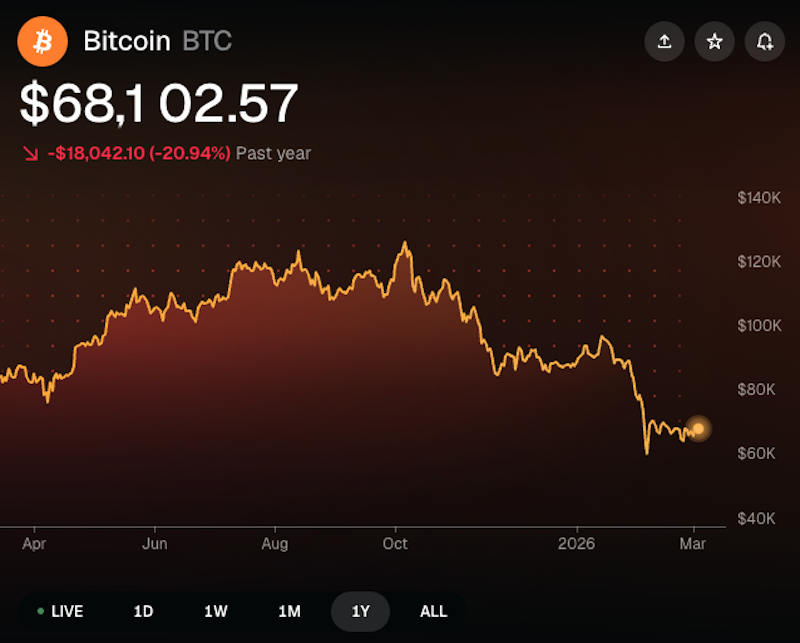
Cryptocurrency markets move quickly, often reacting to information, perception, and emotion just as much as fundamentals. Market sentiment analysis helps explain why prices rise or fall by examining how participants feel about the market at any given time.
Traders, analysts, and businesses utilize sentiment indicators to gain a deeper understanding of momentum, risk, and potential reversals, particularly during periods of volatility that impact Bitcoin price changes. By breaking sentiment analysis into clear components, it becomes easier to understand how collective behavior shapes crypto markets.
What Crypto Market Sentiment Means
Market sentiment refers to the overall attitude of investors toward a specific asset or the broader market. In the crypto world, sentiment reflects whether participants feel optimistic, cautious, or fearful. These emotions often influence buying and selling behavior, sometimes amplifying price movements beyond what fundamentals alone would suggest.
Unlike traditional markets, cryptocurrency sentiment can shift rapidly due to social media, news cycles, and on-chain activity. Because digital assets trade continuously, sentiment indicators are often monitored in real-time to capture changes as they happen.
Why Sentiment Matters in Crypto Markets
Sentiment plays a significant role in price discovery. Strong optimism can drive rapid inflows, while fear can trigger sharp sell-offs. Understanding sentiment helps explain why prices sometimes move ahead of major news or continue trending despite limited fundamental change.
In crypto markets, sentiment often acts as a leading indicator rather than a lagging one. When enthusiasm or concern reaches extremes, it can signal potential trend exhaustion. This makes sentiment analysis a valuable complement to technical and fundamental analysis.
Key Sources of Crypto Market Sentiment
Sentiment data comes from multiple sources, each capturing a different aspect of market behavior. Social media platforms, news coverage, trading activity, and blockchain data all contribute to the overall picture. No single source provides a complete answer, but together they help illustrate how participants are reacting.
Social platforms often reflect short-term emotional states, while on-chain data can show longer-term conviction through the holding or transferring of assets. News sentiment captures how narratives are framed, which can influence perception and confidence across the market.
Social Media and Community Signals
Social media plays an outsized role in crypto sentiment. Platforms like X, Reddit, and Telegram are often where narratives form and spread. Sudden increases in mentions, engagement, or trending topics can signal growing interest or concern around specific assets.
Sentiment analysis tools scan language patterns to determine whether discussions are positive, neutral, or negative. While social data can be noisy, sharp changes in tone or volume often coincide with market volatility, making it a valuable early signal when interpreted carefully.
News Coverage and Narrative Framing
News sentiment focuses on how events are reported rather than the events themselves. Headlines, tone, and framing influence how market participants interpret information. Favorable coverage can reinforce confidence, while negative narratives may heighten uncertainty even if the underlying event is neutral.
Crypto markets are particularly sensitive to regulatory news, security incidents, and macroeconomic developments. Monitoring sentiment across major financial and crypto-focused media outlets helps identify shifts in perception that may impact trading behavior.
On-Chain Data as a Sentiment Indicator
On-chain activity provides insight into what participants are doing, not just what they are saying. Metrics such as exchange inflows, wallet accumulation, and holding duration reflect confidence levels across different types of market participants.
When assets are transferred off exchanges into private wallets, it often indicates long-term holding behavior. Increased exchange deposits may indicate intent to sell. These patterns help translate behavior into sentiment signals that support or challenge what is seen in social and news data.
Market-Based Sentiment Indicators
Certain market metrics are widely used as sentiment proxies. Funding rates, options data, and volatility indexes help capture trader positioning and risk appetite. Elevated leverage or extreme positioning often coincides with strong sentiment, either bullish or bearish.
Fear and greed indexes combine multiple inputs, including volatility, volume, and social signals, into a single score. While simplified, these indices are useful for identifying emotional extremes that may precede market corrections or reversals.
How Sentiment Fits into Broader Analysis
Sentiment analysis is most effective when combined with other analytical approaches. It does not replace technical or fundamental analysis but adds context to price movements and trend strength. Sentiment helps explain why markets behave the way they do, especially during periods when data alone seems insufficient.
Using sentiment alongside price structure, volume, and on-chain metrics creates a more balanced view. This integrated approach reduces reliance on any single indicator and helps manage the emotional component of decision-making.
Making Sense of Market Psychology
Crypto market sentiment analysis offers valuable insight into how perception and behavior influence price action. By examining social signals, news narratives, on-chain data, and market indicators together, sentiment becomes more easily understood and applied.
When used thoughtfully, sentiment analysis supports clearer decision-making and a deeper understanding of how crypto markets respond to collective psychology over time.
