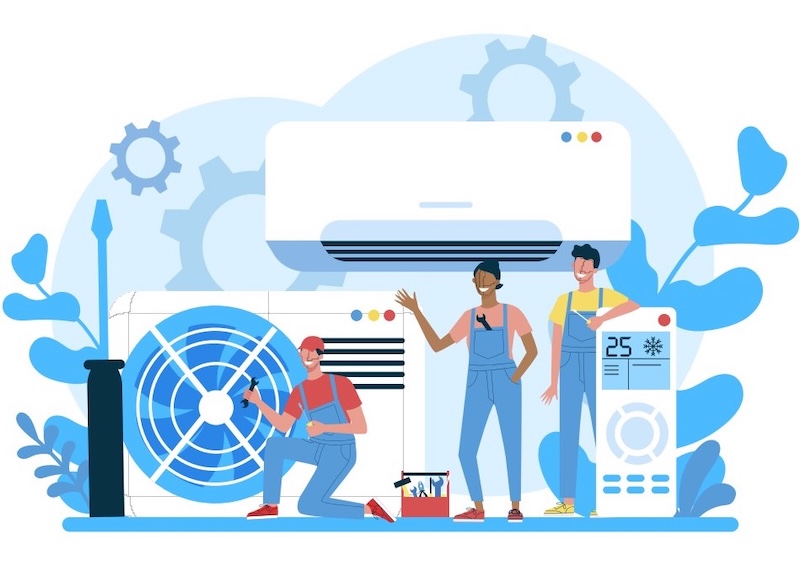
HVAC (heating, ventilation, and air conditioning) provides the indoor environment with the required thermal comfort throughout the year. But just like anything else, they need ongoing nurturance to really work well.
Overlooking precautionary signs may prevent the adverse experience of costly, unanticipated breakdowns. Understanding that something needs attention before it gets uncomfortable and expensive allows us to take action. Here are nine signs that an HVAC system needs immediate attention.
Unusual Noises
During operation, most systems emit a soft hum or whoosh. Unwanted sounds like clanking, buzzing, or whistling usually mean something is not working right. Unusual noises often indicate loose parts, fraying belts, or something lodged in the unit.
Ignoring these noises can lead to severe damage, so promptly addressing them is crucial for optimal functionality. Guidance from services like Jacobs helps identify when maintenance or repairs can prevent costly breakdowns.
Weak Airflow
The lack of airflow often leads to rooms getting stuffy or heated unevenly. This is usually due to blocked vents, dirty filters, or malfunctioning fans.
Less air movement means the system has to operate much harder, and that costs you more energy while also shortening the system’s life. A lack of checking for obstructions or organizing an upkeep journey may set you back into a place of comfort and save money.
Temperature Fluctuations
Temperature fluctuations within a single room show issues with thermostats or sensors. Bad regulation is why you can’t get the indoor climate you want. Changing the thermostat settings does not usually fix these problems. A professional inspection can diagnose the issue and enable stable function again.
Unpleasant Odors
Bad odors coming into the house from vents are typically a sign of mold, mildew, or some burnt wiring in the system. These smells degrade the air and can also cause health problems.
Leave aside lingering odors that result in an escalation of trouble. Replacing the filters often and getting it professionally cleaned will remove those odors and provide you with a healthy living environment.
Frequent Cycling
Frequent and short runs consume additional energy and overload the device. Such a pattern is typically the result of a malfunctioning thermostat or an existing HVAC installation that is poorly sized.
The building experiences cycles of regular heating or cooling load. If it turns on and off multiple times, make sure that you check it right away to avoid early damage to the system.
Escalating Energy Bills
When a utility bill suddenly triples without increased usage by the home, it is often a sign of an inefficient HVAC unit. Because of overworked parts, filthy coils, or insufficient motors, they eat more energy.
You might not notice performance issues until you compare recent bills with those from previous years. A repair or maintenance visit in a timely manner can restore efficiency to a unit, saving costs.
Excess Moisture or Dust
Heating and air conditioning concerns, or noticeable dust accumulation, suggest an issue in the air flow system. Poor drainage systems, clogged filters, or leaking ducts can also lead to similar issues.
Moisture can stir up mold spores, while dust can circulate allergens across the structure. Tackling these signs can result in improved air quality and help to keep all occupants of the premises healthy.
Constant Repairs
If the device is having service calls in quick succession, it is usually a sign that the system is reaching the end of its useful life. Constant breakdowns waste time and cash.
When upkeep becomes common, it may be a more affordable option to change out an aged system for a brand-new, high-efficiency unit. Installing a new one typically means upgraded comfort, dependability, and savings for years to come.
Old Age
In general, HVAC units have a lifespan of 10-15 years. Even with routine maintenance, performance decreases with age. Older models are more prone to breakdowns, and many lack things that promote comfort and efficiency. Replacing old systems before they break down prevents emergencies and preserves comfort.
Conclusion
But being mindful of these nine signals prevents surprises that dent budgets and indoor comfort levels. Addressing problems in the early stages allows quicker and easier fixes for less cost.
Annual tune-ups extend heating and cooling equipment life and help keep energy bills under control. Regularly scheduling professionals and reacting to warning signals is a way to strengthen comfort levels all year long for everyone.
With careful observation and a proactive disposition, property owners and occupants will be able to enjoy dependable, efficient climate control for decades to come.
