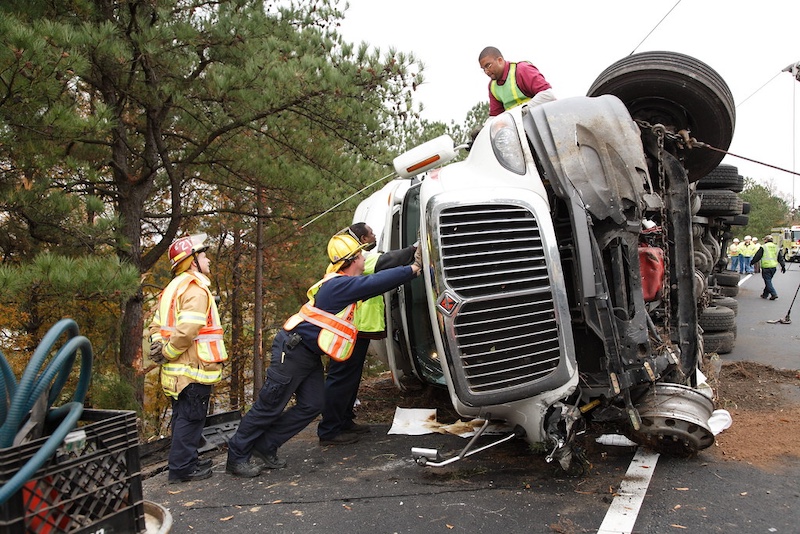
Texas is a state built on commerce and transportation, with thousands of commercial trucks moving across its highways every day to keep industries running.
While this activity fuels the economy, it also increases the likelihood of serious truck accidents that can leave victims facing overwhelming legal and financial challenges.
These cases are rarely simple, often involving multiple parties, complex regulations, and high-stakes insurance disputes. Understanding how a truck accident lawyer handles complex cases is essential for anyone trying to protect their rights after such a collision.
Experienced attorneys know how to untangle layered liability issues, manage extensive evidence, and respond to aggressive defense strategies while keeping clients informed at every step. Their ability to bring order to complicated situations can make a critical difference in the outcome.
For Texans seeking knowledgeable legal support after a truck accident, assistance from a reliable source like truck accident help from The Texas Law Dog can provide clarity, confidence, and a stronger path toward justice.
Initial Case Assessment
The initial case assessment involves collecting all pertinent information about the incident. This means lawyers check accident reports, witness statements, and electronic information that may exist.
Every piece of information adds context and paves the way for the future process. The sooner an investigation commences, the less chance the evidence will fade or be destroyed.
Identifying Liable Parties
There are always multiple parties involved in truck accidents. The lawyer then investigates driver behavior, corporate conduct, and records involving vehicle maintenance. This detailed analysis reveals the series of events that led to the crash. Setting liability is the foundation of a strong claim.
Handling Evidence Collection
Securing critical proof is essential. Attorneys gather pictures, videos, and scenes from the accident site. Maintenance logs, driver logs, and electronic tracking information often reveal important facts. Good evidence can tip the balance in a dispute.
Managing Communication with Insurance Companies
Engaging in discussions about insurance requires a high level of patience. Lawyers communicate with insurers to connect the rights of their clients.
To guarantee that there are no misunderstandings, every statement is carefully crafted. This technique plays a vital role in avoiding settlement amounts that are unreasonable.
Working with Experts
Many strong cases depend on expert opinion. The investigation may involve experts in accident reconstruction, along with medical professionals and financial analysts.
They provide a succinct and digestible overview of the events and impact that helped shape these ideas. Clear, factual explanations help jurors and judges give the final verdict.
Evaluating Damages
Determining the amount someone owes for their injuries is one of the biggest tasks. Attorneys review medical expenses, lost wages, and future care needs.
There are also elements of emotional distress and future restrictions that would make these calculations. Comprehensive assessments help clients get the support they need.
Negotiating Settlements
Many claims settle out of court. Attorneys draft comprehensive proposals that enumerate the specific damages and remedies sought. They bargain with the other parties and try to find a reasonable deal point. Lawyers always strive for the highest results possible.
Preparing for Trial
When the conflict cannot be settled, a part of the dispute proceeds to court. Preparation entails formulating a defined plan, organizing all persuasive evidence, and strategizing the counterpoints from the opposition.
Every witness is thoroughly prepared, and all relevant documents are reviewed. Trials demand careful organization and the ability to adapt to changing circumstances.
Client Communication
Regular updates keep clients informed throughout the legal process. Legal professionals provide layman explanations of complicated terms and respond quickly when questions arise. It builds trust and lowers anxiety.
Adapting to Unexpected Developments
Truck accident cases are usually complex. The emergence of new evidence, regulatory changes, or changes in medical circumstances may affect the outcomes.
Lawyers are always prepared to bend their arguments in context to new information. These traits of flexibility and resourcefulness make them exceptional at their jobs.
Maintaining Ethical Standards
High professional standards govern every decision lawyers make. They value confidentiality, avoid conflicts of interest, and ensure integrity in all communications. Ethical practice builds confidence and helps achieve fair outcomes. This integrity is what clients rely on throughout their cases.
Final Resolution
A settlement or court judgment is a way of resolution. Once done, attorneys help with actual compensation and any final issues. They oversee the entire process until the client is satisfied. Continued help can be game-changing in your journey to and through recovery.
Conclusion
Truck accident cases will require diligence, attention to detail, and skill. Lawyers help clients from the first meeting to the end of a case, ensuring they are treated fairly and informed. Thanks to them, the victims get the care they need and the justice they deserve.
