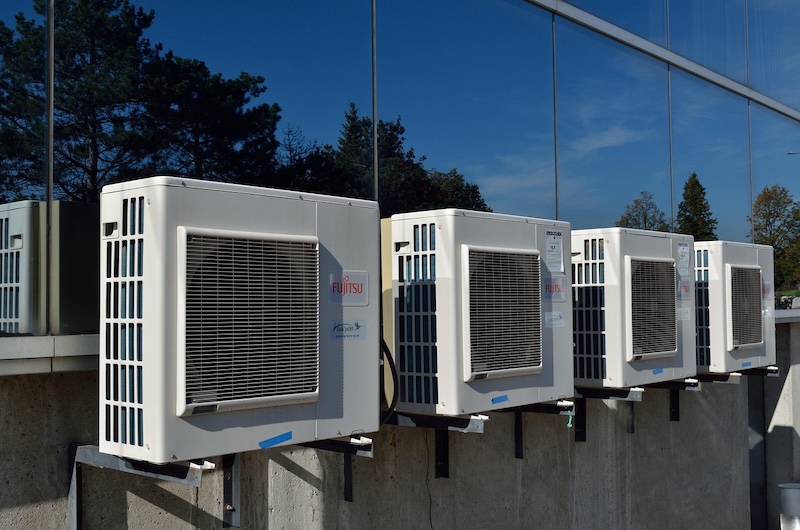
Compressed air mechanisms utilize enormous quantities of power in manufacturing operations frequently representing a considerable share of monthly service expenses.
The truth is that most operations squander somewhere between twenty and thirty percent of their compressed air through avoidable deficiencies.
Grasping how to enhance these mechanisms can substantially diminish operating expenses while boosting dependability and prolonging equipment longevity.
Eliminate System Leaks
Air escapes constitute one of the most considerable origins of inefficiency in compressed air mechanisms. Investigation reveals that escapes can comprise 20% to 30% of a compressed air mechanism’s complete energy requirement.
Even minor escapes accumulate across time, compelling compressors to function harder and operate longer to sustain mechanism pressure.
The most typical escape locations happen at connections, tubes, conduits, attachments, conduit connections, rapid disconnections, and whenever two elements join. Discovering escapes demands more than merely walking around listening for whistling noises.
While detectable escapes definitely occur, tinier escapes necessitate an ultrasonic identification apparatus.
Modern acoustic visualization devices can pinpoint escapes in minutes without demanding manufacturing halts. Once recognized, most escapes can be remedied with straightforward corrections like securing connections, substituting deteriorated closures, or modernizing damaged tubes.
Forming a consistent escape identification initiative averts new escapes from gathering and maintains efficiency under regulation.
Consider Rental Equipment for Peak Demands or Maintenance
When confronting system inefficiencies or planning for maintenance shutdowns, temporary rental equipment can sustain operations while permanent improvements are executed.
Holt Industrial Rentals and comparable providers supply compressed air equipment that permits facilities to experiment with different configurations, manage seasonal peak demands, or preserve production during equipment upgrades.
Rental units can additionally function as supplemental capacity while leak repairs or system modifications are finalized, preventing production disruptions.
Rental equipment proves particularly valuable when evaluating whether to invest in VSD technology or additional compressor capacity.
Testing rental VSD units under actual operating conditions provides concrete data on potential savings before committing to capital purchases. This approach reduces risk and ensures investments deliver expected returns.
Reduce Operating Pressure
Many facilities function their compressed air systems at unnecessarily high pressures. A reduction of 0.1 MPa in spray pressure can diminish the electrical energy consumed by the air compressor by approximately 4% to 5%.
Each incremental pressure reduction produces quantifiable energy savings because compressors consume less power when producing air at lower pressures.
Before decreasing pressure, confirm the genuine requirements of end-use equipment. Many operations operate at elevated pressures based on assumptions instead of actual requirements.
Installing and correctly adjusting pressure regulators guarantees that the equipment obtains only the pressure mandated for optimal performance. Lower system pressure additionally diminishes the rate of air loss through any existing leaks, generating a dual benefit.
Recover Waste Heat
Compressors generate enormous amounts of heat during operation. Over 90% of the electrical energy a compressor uses is converted into compression heat. Rather than allowing this thermal energy to dissipate into the atmosphere, heat recovery systems capture and redirect it for productive use.
Air-cooled compressors can provide hot air for space heating in production halls, warehouses, or loading docks. Water-cooled systems can heat water for industrial processes, cleaning operations, or facility needs.
Some facilities recover sufficient heat to eliminate supplemental heating systems entirely during certain periods. Heat recovery systems typically pay for themselves through energy savings within one to three years.
Install Variable Speed Drive Technology
Fixed-speed compressors operate at constant speed regardless of actual air demand, wasting energy during periods of lower consumption.
Variable speed drive technology adjusts motor speed in real time to match compressed air production with demands. Variable speed compressors can save 30% of the energy used by a typical fixed speed compressor.
VSD compressors excel in applications where air demand fluctuates throughout the day. When demand decreases, the motor slows down proportionally, consuming only the power necessary for current needs. This prevents the energy waste associated with unloaded operation.
For facilities with varying production schedules or multiple shifts with different air requirements, VSD technology delivers substantial savings. Many operations benefit from combining fixed-speed base load compressors with VSD trim units that adjust to handle demand variations.
Optimize Intake Air Quality and Temperature
Compressor performance depends heavily on the quality and temperature of intake air. Cooler inlet air contains more oxygen molecules per volume, allowing compressors to work more efficiently.
Drawing in 10 °C air from outside the facility rather than 30°C air from inside can reduce the air compressor’s energy consumption by 3%.
Installing intake pipes to draw from outside locations provides cooler air while reducing the amount of warm compressor room air being pulled in.
This simple modification requires minimal investment but delivers ongoing savings. Additionally, keeping intake filters clean prevents pressure drops that force compressors to work harder. Clogged or dirty filters increase resistance and energy consumption.
Right-Size Your Equipment
Oversized compressors waste energy by cycling on and off regularly or operating inefficiently at partial loads. Undersized equipment operates continuously at maximum capacity. This makes them deteriorate faster and potentially fail to satisfy peak demand.
Proper sizing aligns compressor capacity to genuine system requirements with a suitable reserve for peak intervals. Many facilities uncover through professional audits that their compressed air systems evolved randomly over time, with equipment incorporated reactively instead of strategically.
A comprehensive evaluation recognizes opportunities to optimize the number and size of compressors. Multiple smaller units frequently deliver superior efficiency than a single large compressor, especially when combined with intelligent controls that coordinate equipment according to demand.
Minimize Pressure Drop in Distribution Systems
Pressure drop transpires as compressed air travels through pipes, filters, dryers, and other components. Each pressure drop mandates compressors to produce higher pressure to sustain sufficient pressure at end-use points.
The compressed air network should be configured so that the loss of pressure between the compressor and the most remote piece of equipment should be no greater than 0.1 bar. Undersized piping generates excessive pressure drop, compelling compressors to labor harder.
Upgrading to appropriately sized distribution pipes diminishes resistance. Modern aluminium piping systems present advantages over traditional black iron pipe. These include diminished corrosion, simpler installation, and fewer leak points. Strategic positioning of air receivers throughout the system assists in stabilizing pressure and diminishing demand fluctuations.
Implement System Monitoring and Controls
Modern control systems perpetually observe compressed air production and consumption, automatically modifying equipment operation to optimize efficiency.
Central controllers can coordinate multiple compressors, guaranteeing the most efficient combination functions at any particular time. These systems avert simultaneous operation of compressors that would otherwise conflict with each other or operate inefficiently.
Data documentation discloses patterns in compressed air usage that manual observation overlooks. Monitoring recognizes when equipment operates during non-production hours, identifies pressure variations, and measures the impact of operational modifications.
This information directs strategic choices about equipment upgrades, maintenance schedules, and operational practices. Advanced controls also facilitate predictive maintenance. They monitor equipment performance and indicate potential issues before failures transpire.
Endnote
The route to enhanced compressed air efficiency demands systematic focus on multiple factors. Each enhancement builds on others, establishing compounding savings over time.
Facilities that execute comprehensive efficiency programs typically attain total energy reductions of twenty to fifty percent.
These savings convert directly to reduced operating costs, diminished environmental impact, and more dependable compressed air systems that support rather than obstruct production objectives.
Main image by ElasticComputeFarm from Pixabay
