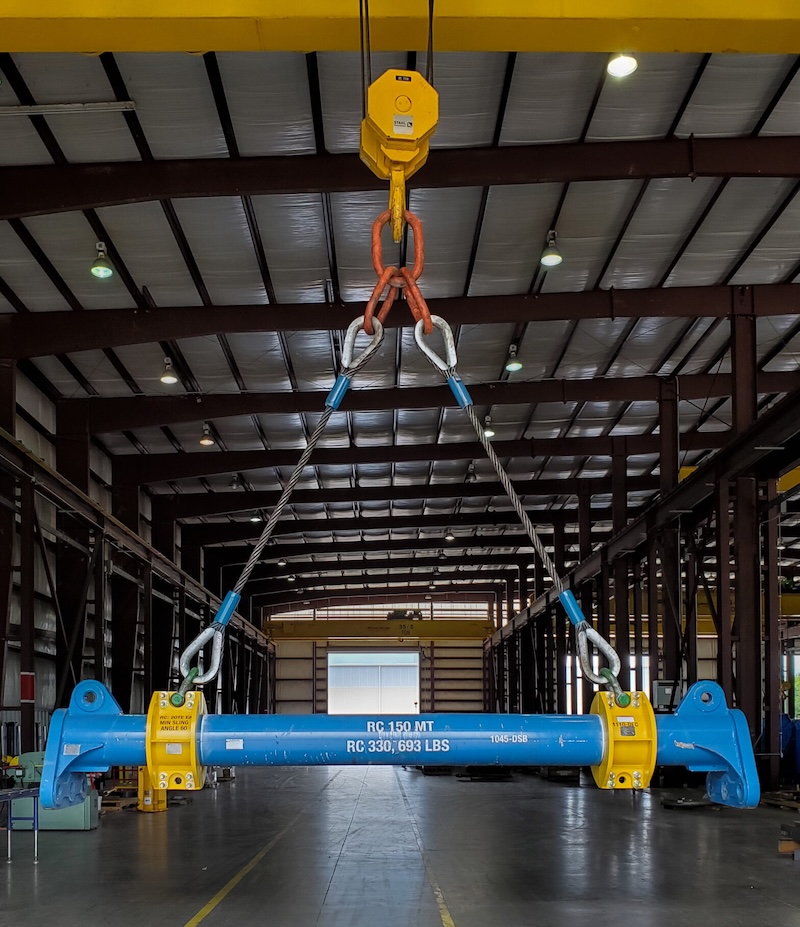
ROV shackles look simple, but small design details matter a lot offshore. Better pins and locking systems can mean the difference between a clean operation and a costly delay. That is why many teams now lean on custom subsea fabrication services to match hardware to their exact tasks.
What Makes an ROV Shackle Different
Standard lifting shackles are built for riggers with hands, not robots. ROV shackles add features that make sense for manipulator claws, cameras, and low visibility. Every change aims to cut down on handling time and reduce the risk of mistakes.
These shackles usually have larger, shaped grab points. They are designed so the ROV can find and hold the part on the first try. Bright markings or contrasting surfaces also help pilots align quickly.
The geometry matters as much as the steel grade. Corners, shoulders, and flats are positioned for tool interaction. This drives both safety and uptime during repetitive subsea work.
Smart Pin Designs for ROV Handling
The pin is the heart of the shackle for ROV work. Traditional threaded pins are easy to cross-thread or drop under pressure and current. Smart ROV pins aim to remove those weak points.
Many ROV shackles use captive pins that never entirely leave the body. The pin slides or rotates, but cannot fall to the seabed. That one feature alone saves time and avoids aborted lifts.
Pins often have oversized, shaped heads for reliable gripping. Flats, pockets, or crossbars give the manipulator a stable bite. This lets pilots work faster without overloading the jaw.
Locking Systems that Stay Put
A good ROV shackle must lock positively and predictably. Surging loads and vibration can back off a simple nut if it is not protected. Underwater, you may not spot that failure until something moves.
Smart locking systems often combine a primary and secondary feature. A mechanical detent, spring clip, or split ring backs up the main thread or bayonet. The pin stays where it belongs through cycles and shock.
Visual confirmation is another key detail. Many designs give a clear “locked” position or window. Pilots can confirm status with cameras before they trust the connection.
Designing for Repeatable Robotics
Automated subsea work depends on repeatable motions. ROV shackles that guide the tool into the proper position reduce trial-and-error. This is critical when visibility is limited and time is tight.
Chamfers, lead-ins, and shaped pockets help position the manipulator. Some pins have torque shoulders that stop at the correct setting. This reduces the need for fine visual cues in murky water.
Even the orientation of pad eyes and bail angles is considered. Proper alignment minimizes side loading and twisting. That translates to longer hardware life and fewer inspection flags.
Materials, Corrosion, and Wear
Shackle reliability is not just about shape. Materials and coatings carry a significant share of the workload in saltwater. The wrong choice can turn a good design into a short-lived one.
Offshore shackles are usually made of high-strength alloy steel and are subject to strict traceability requirements. Corrosion-resistant coatings or cathodic protection help extend service intervals. In some cases, stainless or duplex materials are used for harsh fields.
Contact surfaces around pins see concentrated wear. Bushings or hardfacing can spread loads and limit galling. This helps pins move freely and lock correctly after many cycles.
Integration With Subsea Tooling
The best ROV shackles are matched to the rest of the tooling spread. They must work with specific manipulator jaws, baskets, and lifting frames. That is where custom engineering really shines.
Engineers look at jaw width, grip force, and camera angles together. The shackle is then sized and shaped to hit a sweet spot between strength and handling. This reduces training time for pilots and crews.
Some regions have local partners who understand both fabrication and field realities. Providers that focus on subsea fabrication Corpus Christi, TX, or similar hubs can react quickly to project changes. That kind of support keeps operations moving.
Conclusion
ROV shackle design has moved far beyond simple lifting hardware. Smart pins, robust locking systems, and ROV-friendly shapes now play a direct role in uptime and safety, supported by custom subsea fabrication services when standard gear falls short. Teams that embrace these advances see smoother operations, fewer dropped components, and more confidence in every subsea lift.
