Robotic quality control systems have become the backbone of precision in the high-end automotive sector. Elite manufacturers across cities like Detroit, Atlanta, and Los Angeles now rely heavily on automated inspection to uphold the standards expected in luxury sedans, executive SUVs, and stretch limousines.
These systems deliver unparalleled detail, leveraging high-resolution sensors, AI-driven imaging, and adaptive algorithms to assess everything from micro-panel alignment to interior material integrity. During the early stages of vehicle construction, this robotic accuracy helps eliminate human error and ensures consistent output across model lines.
Such refinement becomes crucial when addressing the expectations of travelers heading out for memorable Universal Orlando trips, where comfort, reliability, and sophistication must be guaranteed long before the engine ever turns on.
How Robotics Reinforce Luxury and Reliability
High-end vehicles serve a broader purpose than mere transportation; they symbolize craftsmanship, trust, and technologically reinforced safety. Robotic systems examine weld points, analyze paint finish uniformity, and assess structural resilience through rapid, non-invasive testing. Manufacturers in places like Nashville and Chicago have adopted these robotic intelligence platforms to reduce production latency and strengthen final inspection processes.
In parallel, the luxury limo service and chauffeur service industries depend heavily on the precision shaping these robotic systems deliver. When premium ground-travel providers dispatch a limousine, executive sedan, or VIP SUV to clients heading to events at the Las Vegas Convention Center or traveling through New York’s business districts, they rely on the unshakable reliability born in these automated inspection rooms. The durability validated through robotics ensures passengers experience unmatched smoothness, silence, and sophistication on the road.
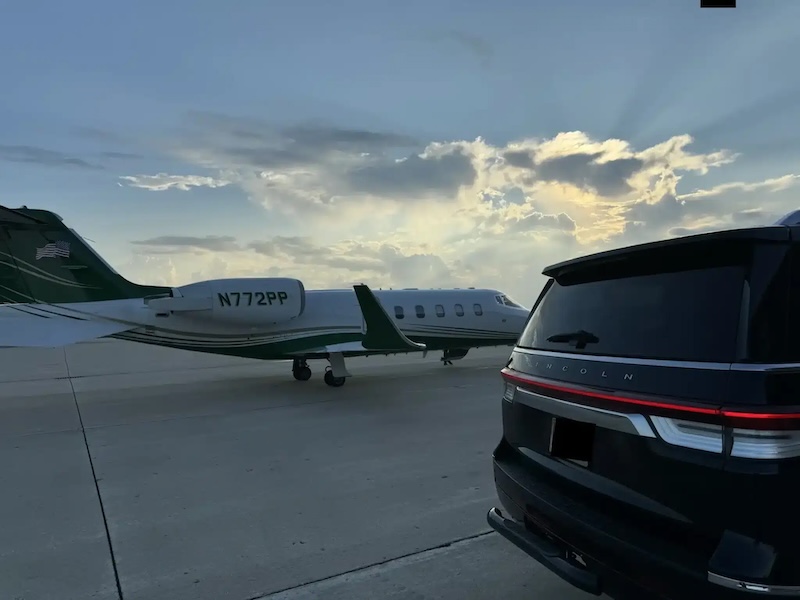
As the content unfolds, it becomes equally important to acknowledge the role of Fort Wayne transport providers who frequently operate fleets built under these exacting robotic inspection standards. Their vehicles often cover greater mileage and undergo more demanding use, yet the precision of their manufacturing allows them to maintain an exceptional passenger experience even under continuous operational pressure.
Robotic Quality Control Meets Premium Fleet Expectations
Beyond structural critique, robotic systems significantly influence the design expectations of high-end transportation fleets. For instance, one section of a luxury fleet may feature an extended-wheelbase sedan equipped with ultra-soft suspension tuning and seamless cabin soundproofing, both perfected through robotic calibration during assembly.
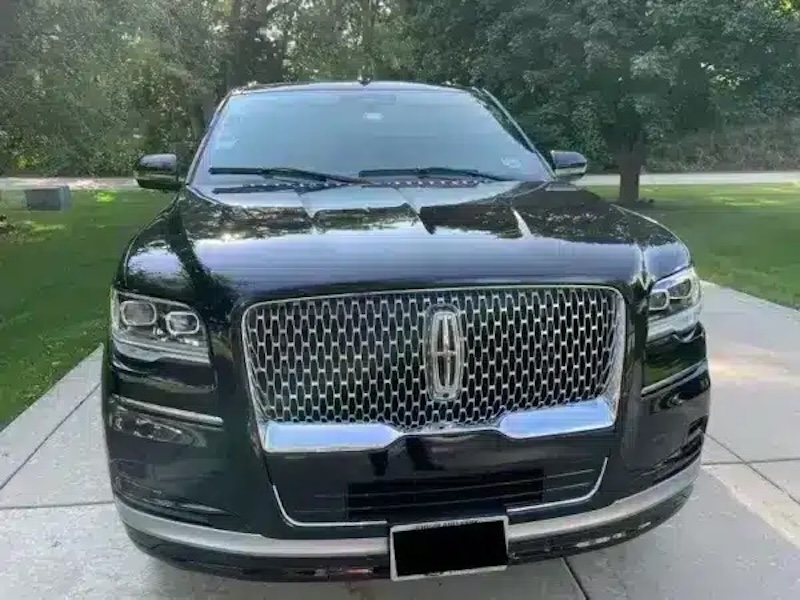
Another section may consist of a premium black SUV configured with adaptive climate technology and hand-stitched seating, features assessed through robotic sensory mapping to achieve flawless quality.
In yet another part of the fleet, a sophisticated executive sprinter van equipped with ambient lighting and smart entertainment interfaces represents the growing integration of robotics with interior design refinement. Each vehicle class benefits differently from QC automation, ensuring that no two segments of the fleet share the same technical narrative, yet all uphold a unified standard of craftsmanship.
The Impact on Chauffeur and Limo Services Nationwide
Modern clients expect luxury limo service and chauffeur service providers to deliver not only a stylish ride but also an experience defined by safety, quietness, and meticulous cabin detail. Whether transporting guests across San Francisco’s winding streets or along Miami’s ocean-facing boulevards, these services depend entirely on vehicles perfected under robotic oversight. The consistency provided by automated inspection ensures that every door closure, every acceleration moment, and every interior element meets luxury expectations.
Conclusion
Robotic quality control systems have transformed the luxury automotive landscape by guaranteeing precision, durability, and elegance at levels previously unreachable. From chauffeured travel in bustling U.S. cities to specialized airport transfers, the vehicles built under this automated excellence define what modern luxury transportation feels like. As robotics continues to evolve, so will the sophistication of the fleets serving America’s most discerning travelers.
FAQs
How do robotic quality control systems enhance luxury vehicle reliability?
They use AI-powered imaging and metric-based testing to detect microscopic inconsistencies, ensuring every component meets exact specifications.
Are robotics used for both exterior and interior inspection?
Yes, robotics evaluates paint texture, structural welding, panel placement, and interior craftsmanship with equal precision.
How do these technologies benefit limo and chauffeur services?
They ensure vehicles meet the durability and comfort standards necessary for elevated passenger experiences.
Do robotic systems speed up the production process?
They streamline evaluations, reduce manual oversight, and minimize rework, enhancing overall production efficiency.
Are robotic inspections common across the U.S. automotive industry?
They are increasingly common in high-end factories, especially in major automotive regions such as Michigan, Texas, and California.
