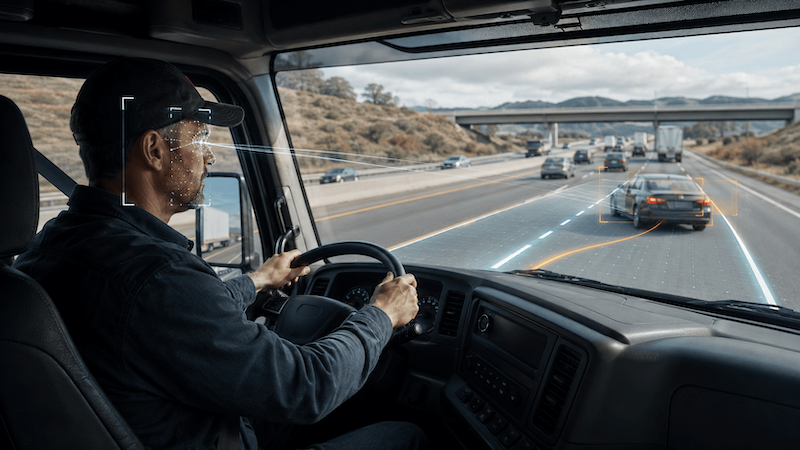
Running a small or medium-sized trucking fleet means balancing safety, operating costs, driver performance, and customer expectations every day.
In-cab safety solutions such as cameras can help carriers gain better visibility into what happens on the road while giving fleet managers useful information to improve safety and protect their business.
For many smaller fleets, investing in new technology can seem like an unnecessary expense. Fleet managers may assume that advanced camera systems are designed primarily for large carriers with hundreds of trucks.
In reality, smaller fleets can benefit significantly from an AI dash cam because every vehicle, driver, and incident can have a meaningful impact on the business.
Why Fleet Visibility Matters
Fleet managers cannot be inside every truck at the same time. GPS tracking can show where a vehicle is, while telematics can provide information about speed, location, and vehicle activity. Cameras add another important layer: visual context.
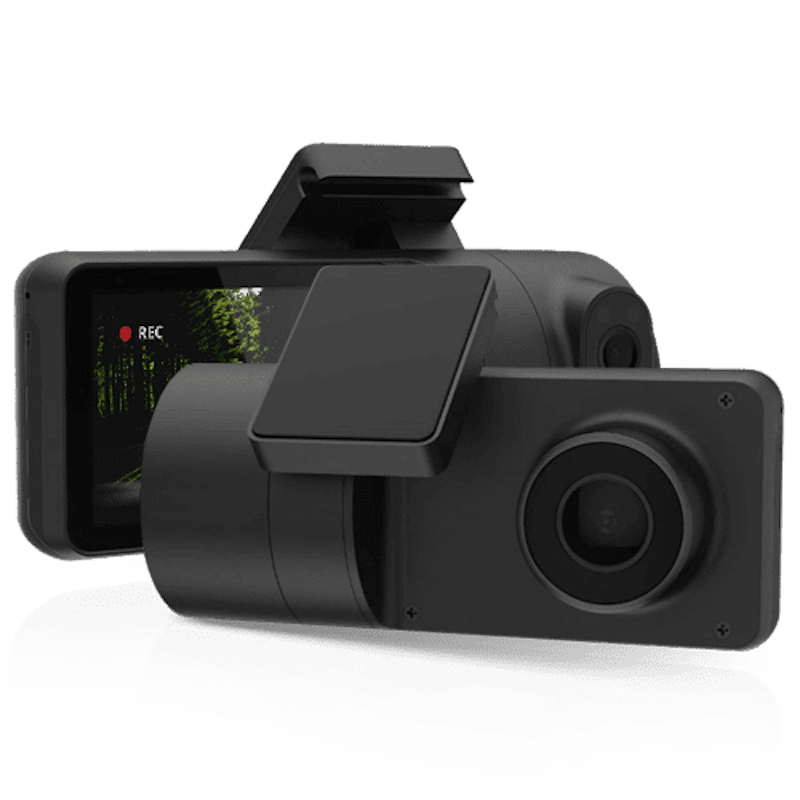
A camera can help fleet managers understand what actually happened during a driving event. This can be especially valuable after a collision, sudden braking event, traffic violation, or customer complaint.
Federal Motor Carrier Safety Administration (FMCSA) research has also examined onboard monitoring systems that combine video and vehicle-performance data to provide feedback on risky driving behavior. The goal is to give drivers and safety managers more targeted information they can use to improve driving performance.
For smaller fleets, this visibility can help turn safety management from a reactive process into a more proactive one.
Improve Driver Safety and Coaching
Driver training does not have to end after orientation. Effective fleets continuously reinforce safe driving habits, and video can make that process more practical.
Instead of relying solely on reports or driver recollections, fleet managers can review actual events and use them during coaching conversations. Depending on the system, cameras may help identify behaviors such as:
- Distracted driving
- Phone use
- Harsh braking
- Aggressive acceleration
- Speeding
- Unsafe following distances
- Lane-related events
- Failure to wear a seat belt
- Driver inattention
The goal should not be to constantly monitor or punish drivers. Used correctly, camera data can help identify patterns and give drivers specific examples of where improvement is needed.
FMCSA’s safety research has emphasized the value of targeted driver feedback, including systems that record unsafe driving behaviors and provide feedback during or after driving events.
Protect Drivers From False Claims
One of the biggest advantages of onboard video is that it can provide an objective record of an incident.
Truck drivers can be involved in crashes or disputes even when they were not responsible. Without video, a fleet may have to rely on statements from drivers, witnesses, or other parties. A camera recording can provide additional evidence of what happened immediately before and during an event.
This can be especially important for smaller carriers that may not have extensive safety or legal departments.
Video evidence can potentially help a fleet:
- Demonstrate that a driver was operating safely
- Provide context surrounding a collision
- Respond to accident-related claims
- Investigate complaints
- Support insurance and claims processes
- Identify situations requiring additional driver training
Having access to evidence does not guarantee a particular outcome in a claim, but it can give fleet managers a much clearer picture of an incident.
Reduce Risk Before an Accident Happens
The value of a camera system is not limited to what happens after a crash.
AI-powered camera technology can identify certain risky behaviors as they occur and, depending on the system, provide alerts to drivers or fleet managers. This creates an opportunity to address dangerous habits before they contribute to a serious incident.
For example, if a driver repeatedly demonstrates distracted driving behavior, a fleet manager can identify the pattern and address it through coaching. Similarly, recurring harsh braking or speeding events may indicate that a driver needs additional training.
FMCSA has identified driver- and road-facing cameras as monitoring technologies that can support driver training, while its broader Tech-Celerate Now initiative evaluates technologies intended to help reduce crashes and improve commercial vehicle safety.
Make Safety Management More Efficient
Small fleets often operate with limited administrative resources. A fleet manager may be responsible for safety, dispatch, maintenance, compliance, and customer communication all at once.
AI-assisted camera systems can help reduce the amount of footage and driving activity that managers need to review manually. Rather than watching hours of video, managers can focus on flagged events and incidents that require attention.
This can make safety reviews more manageable as a fleet grows.
For example, a fleet with 10 trucks may not have a dedicated safety department. A manager can still use event-based video and driver-performance information to identify the most important issues and prioritize coaching.
Improve Driver Accountability Without Micromanaging
Drivers generally want to know that their employers have their backs when something goes wrong. At the same time, fleet owners need drivers to follow safe operating practices.
A transparent camera policy can help create that balance.
Fleet managers should clearly explain:
- What the camera records
- When recordings are triggered
- Who can access footage
- How footage is used
- How drivers are evaluated
- How privacy concerns are handled
When drivers understand that cameras are being used primarily for safety, coaching, and incident documentation, the technology can become part of a broader safety culture rather than simply another monitoring tool.
Support Better Fleet Safety Decisions
One of the most useful benefits of connected camera technology is the data it can provide over time.
Instead of looking at individual incidents in isolation, fleet managers can identify recurring patterns across drivers and vehicles. If several drivers experience similar events, for example, the problem may point to a training opportunity rather than one individual’s performance.
Fleet managers can use these insights to evaluate:
- Which driving behaviors occur most frequently
- Which drivers may need additional coaching
- Whether safety performance is improving
- Where recurring risks occur
- Which types of incidents require the most attention
FMCSA even provides an ROI calculator for evaluating certain advanced driver assistance technologies, recognizing that fleet-specific information is important when deciding whether a technology investment makes financial sense.
A Practical Technology Investment for Growing Fleets
Small and medium-sized carriers do not need to implement every available fleet technology at once. The best approach is to focus on tools that solve real operational problems.
For a growing fleet, a camera system can complement existing GPS tracking, telematics, and ELD technology. ELDs help carriers manage hours-of-service records and compliance, while telematics can provide information about vehicle activity and location. Cameras add visual information that those systems cannot provide on their own.
Together, these technologies can give fleet managers a more complete understanding of what is happening on the road.
Choosing the Right Camera System
Before purchasing a camera solution, smaller carriers should consider more than the initial hardware price. The system should fit the fleet’s size, workflow, and safety goals.
Important factors to evaluate include:
- Ease of installation
- Driver-facing and road-facing camera options
- AI-based event detection
- Real-time alerts
- Cloud video access
- Video storage
- GPS and telematics integration
- Driver identification
- Safety reporting
- Mobile and web access
- Scalability as the fleet grows
- Ongoing subscription costs
A system that is easy for a fleet manager to use is often more valuable than one with a long list of complicated features that rarely get used.
Conclusion
For small and medium-sized trucking fleets, safety technology does not have to be reserved for large carriers. AI-enabled cameras can give fleet managers greater visibility, help support driver coaching, provide valuable evidence after incidents, and identify risky behaviors before they become more serious problems.
The most important benefit is not simply having video inside a truck. It is having actionable information that can help a carrier make better safety decisions.
When combined with clear driver policies, consistent coaching, and existing fleet management tools, camera technology can become a practical part of building a safer and more accountable trucking operation.
